Jeff Tatarek
Floodwalls, water control and flood damage reduction
Hydrology and hydraulics
Proper project design requires rightsizing the drainage infrastructure components. Our hydrology and hydraulics team provides you a detailed assessment of water impacts and calculates the proper sizing of your infrastructure. Through 1D, 2D and 3D modeling, we can tailor the detail of our analysis to fit the complexity of your project needs. Our typical projects address bridge and scour assessment, flow control structures, stormwater detention, levees and floodwalls, dams and floodplain definition. We have worked from coast to coast and are familiar with federal, state and local permitting agencies.
Floodwalls and gates
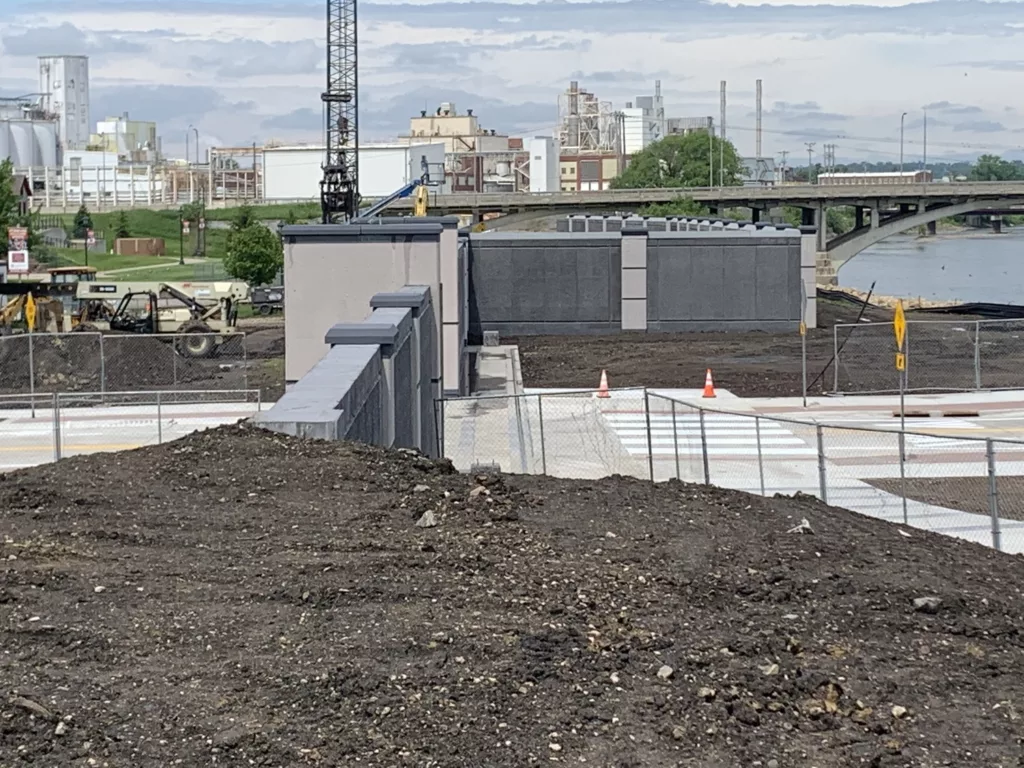
Sometimes, restrictions at your site may not allow for a levee section. We can still help you achieve flood protection with a floodwall, which may include a moveable flood gate. We can use flood gates to allow roads, trails and railroads to cross the line of protection, which can be sealed temporarily during flood events. We conduct geotechnical and structural design for floodwalls and gates using relevant regulatory design criteria while coordinating with our water resources specialists to determine the required wall or gate height.
Seepage analysis
An essential part of any dam, levee or seawall design is a seepage analysis, which provides an interpretation of the water surface levels and pore pressure conditions within embankments and walls during the various stages of design. Seepage analysis is a major factor during your project’s construction, at the end of construction and on the short-term drainage conditions, seismic loading conditions and long-term drainage conditions. The various loading and drainage conditions influence the geometry of the embankment and determine the final embankment design. We have the experience to address all design analyses for seepage.
BridgeWatch
A proactive approach to flood events, which could weaken structures, is critical to your community’s safety. Many bridges are scour critical, and we work with web-based monitoring platform to update the state’s response to actual and forecasted flood events. The alert system allows local engineers to be aware of susceptible structures and perform timely inspections to evaluate bridges and, if necessary, implement road closures before a safety hazard develops. By putting a system in place that is accurate for each structure, we improve efficiency and public safety.
Pump stations
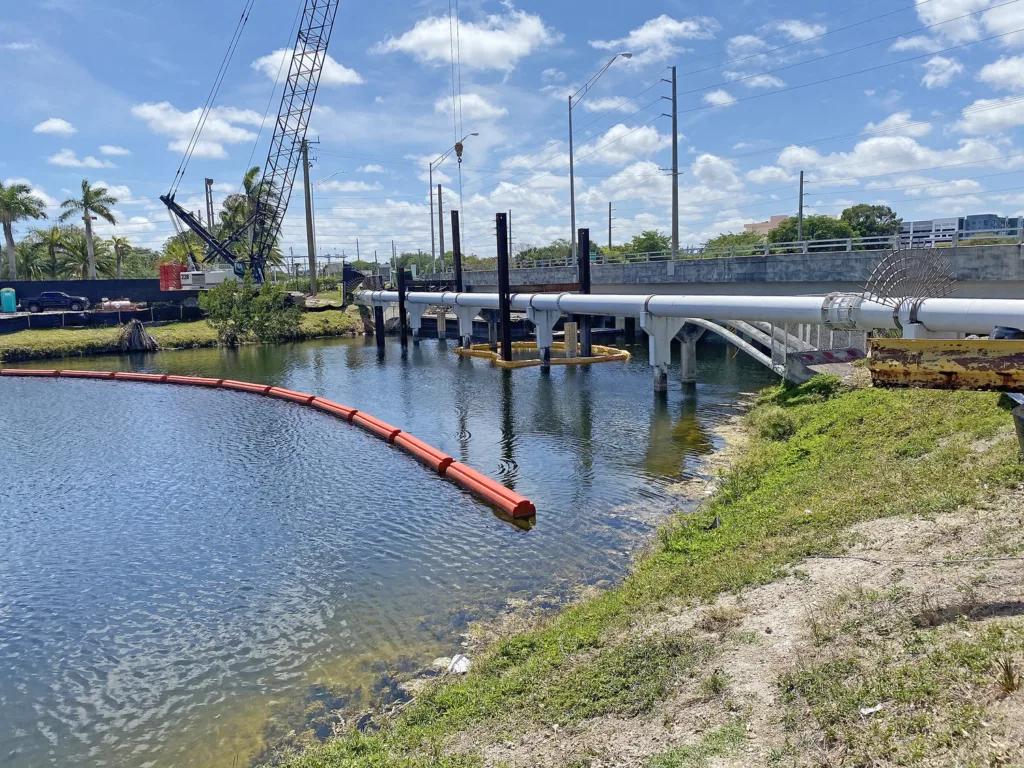
Pump stations serve multiple functions, from moving wastewater and increasing pressure in a water distribution system to dewatering leveed areas. Our various disciplines work in conjunction to design and construct pumping stations of all sizes. Our water resources team starts with a hydraulic analysis for larger dewatering pump stations. From there, our water and wastewater staff provide pump selections to pump the calculated flow and lay out the station’s footprint following hydraulic institute standards. This step is critical, because unbalanced flow from improper geometry can damage your station. If your station is large enough, we use coordinated computational flow analysis with station modeling. Once we have determined the station’s geometry, we design the station and its controls.
Locks
A properly functioning lock is key to smoothly flowing waterway traffic, and our lock specialists can evaluate the structural stability of your lock’s walls, determine the ideal design and stability criteria, identify geologic and soil parameters, conduct loading and stability calculations, create a stabilization repair plan and provide a cost estimate for the plan. We understand that your operations need to continue despite construction, so we work “offline” to prevent disturbances as we work.


Bob Chantome
Senior geotechnical engineer
featured projects