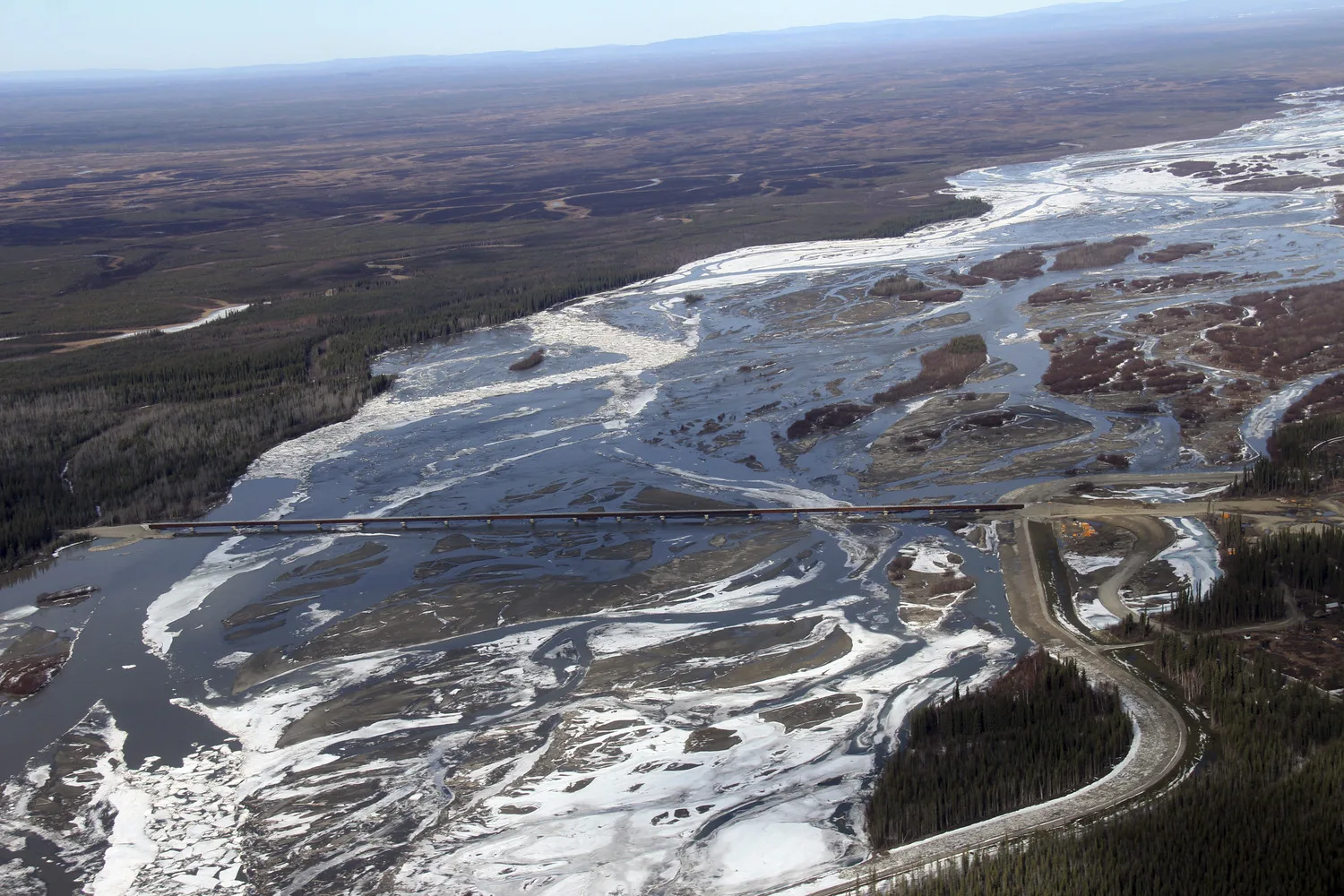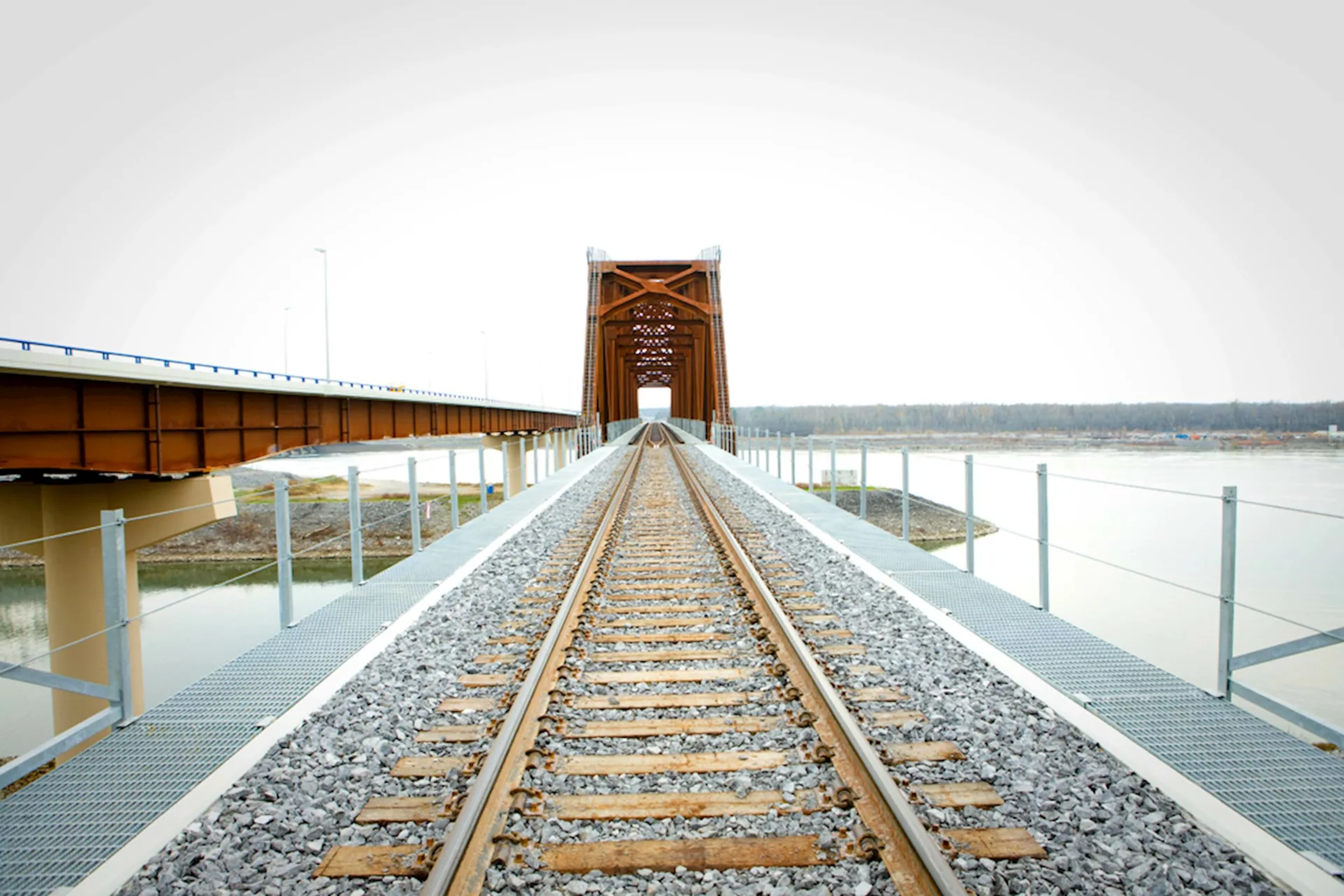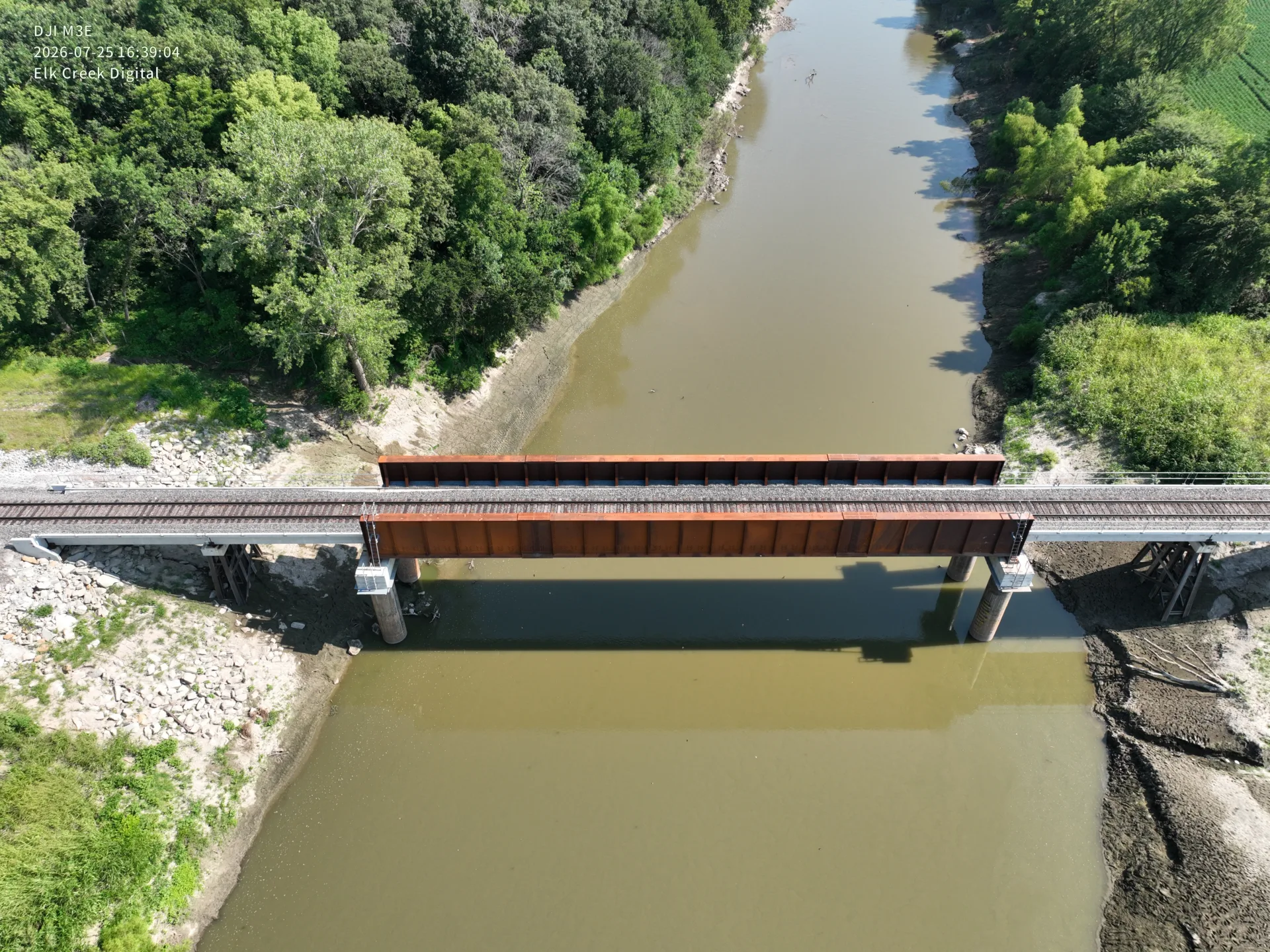
Hanson provided BNSF with design engineering and office support of construction for the offline replacement of Bridge 3000-0112.82 over the Big Nehama River near Preston, Nebraska.
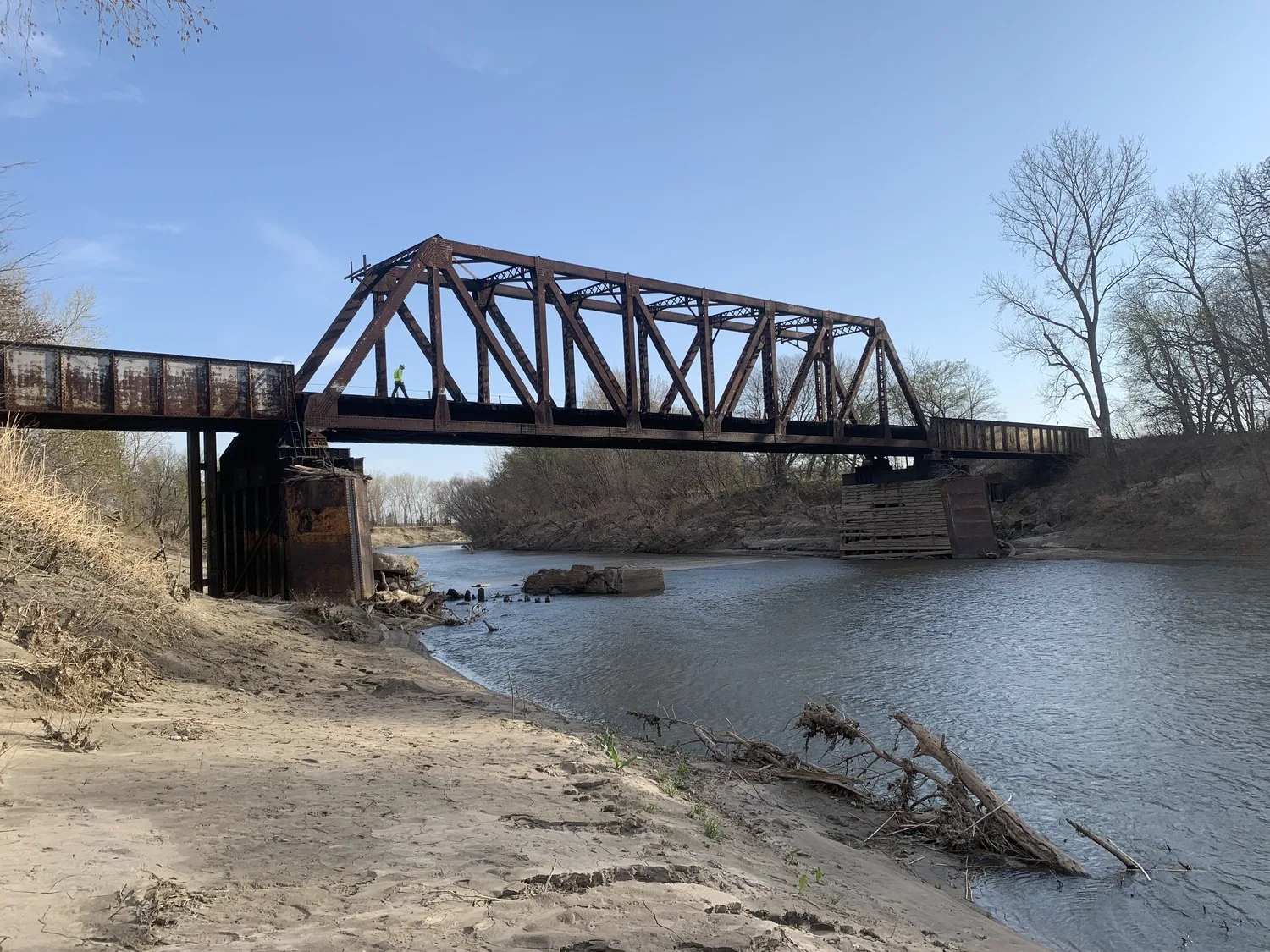
The original Bridge 3000-0112.83 was comprised of a 154-foot, pin-connected through truss with 75-foot and 86-foot through-plate girders (TPG) off each end. This bridge had reached the end of its useful life.
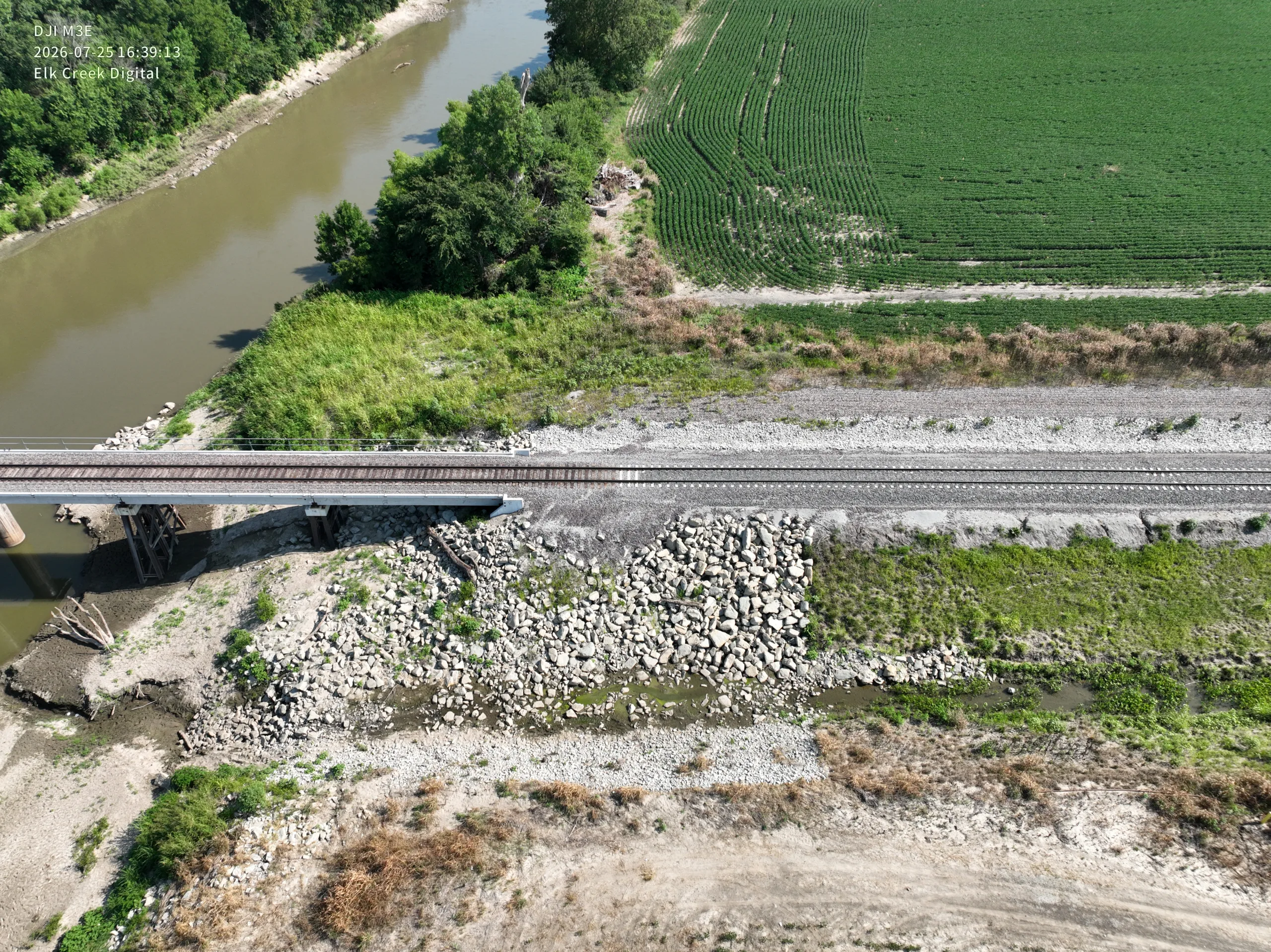
The new bridge superstructure included the use of a 155 ft ballast deck TPG span over the river and BNSF standard double voided box beam spans for the approaches. There are five approach spans varying from 39 to 48 feet long. The new substructure uses driven piles throughout with cast-in-place concrete piers supporting the main river span.
After the contractor proposed a value engineering solution during bidding to revise the deep foundations for the main span to use drilled shafts instead of driven piles, Hanson quickly analyzed the concept solution to confirm feasibility before redesigning the main piers to utilize drilled shafts and cast-in-place concrete transfer beams. Inspection ladders and associated support items were included to allow for the safe inspection of the top of piers and TPG bearings.
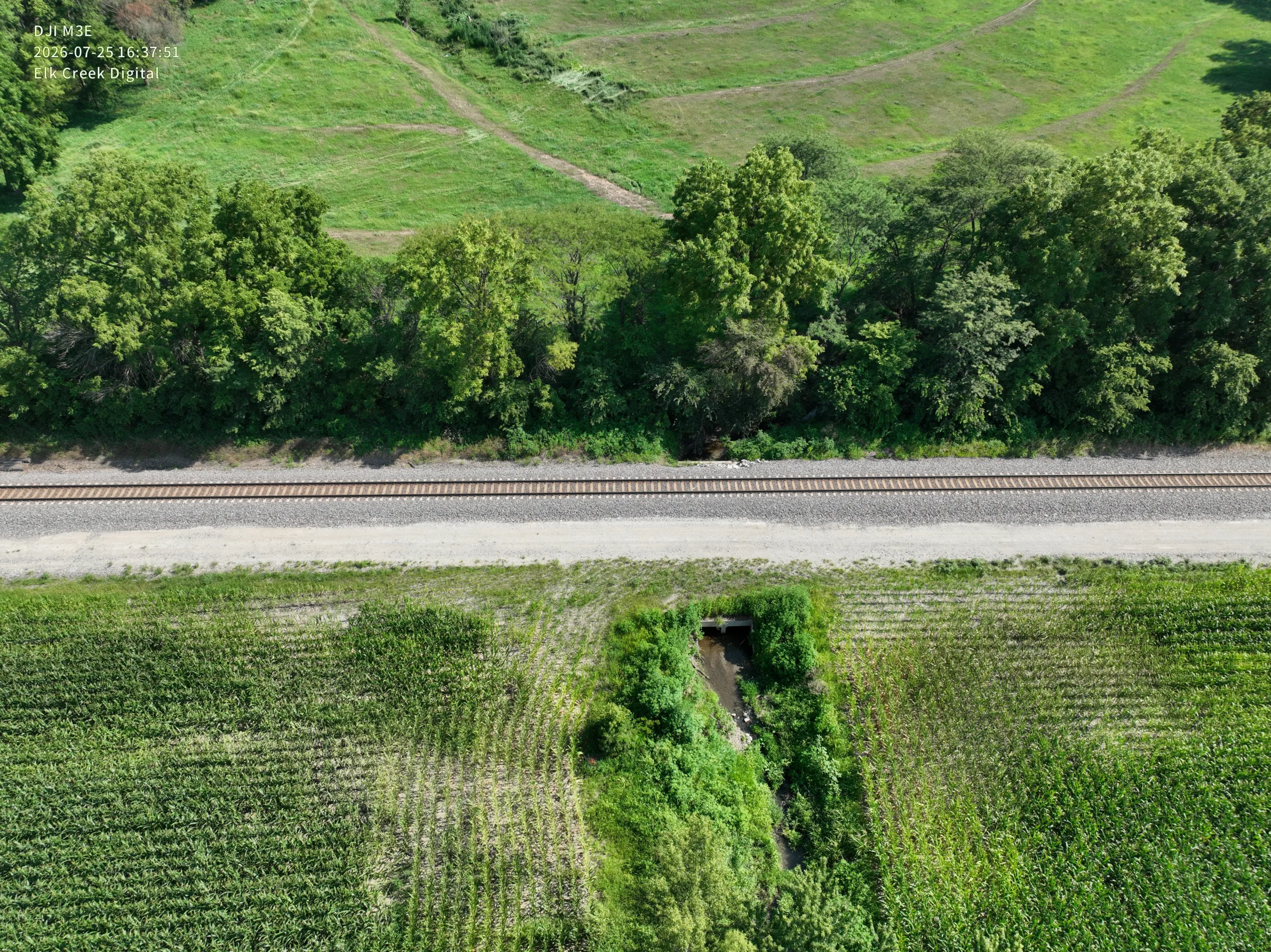
The proposed track alignment was offset 35 feet from the existing track to allow for construction of the new bridge without impacting operations on the existing bridge. The 3,000 feet of track design required embankment fills and new drainage ditches to capture storm water. The track was raised approximately 2.5 feet to improve the drainage opening for the river. Embankment protection details including large size riprap were included in the work to mitigate against scour from river flows.
Hanson fulfilled BNSF’s request to evaluate the reuse of the 1953 steel piling for a future bridge. The Hanson team evaluated the original steel piling for updated loadings and the possibility of adding a ballast deck. This analysis guided the ultimate alignment of the new offline bridge piers to minimize the hydraulic impacts of the skewed river flow.
Hanson’s services for the project encompassed: topographic design surveying; hydraulic & hydrology analysis; geotechnical engineering; structural engineering, track layout and design; environmental permitting; erosion control design; construction phasing; bidding documents; estimates of probable cost; and office support of construction including value engineering analysis and associated structural design revisions.