 |
Find out how Hanson can help your airport benefit from smart planning by contacting Assistant Vice President and Senior Project Manager Susan Zellers, P.E., AAE, ENV SP, at szellers@hanson-inc.com. |
A decade’s worth of progress has landed at Abraham Lincoln Capital Airport (SPI).
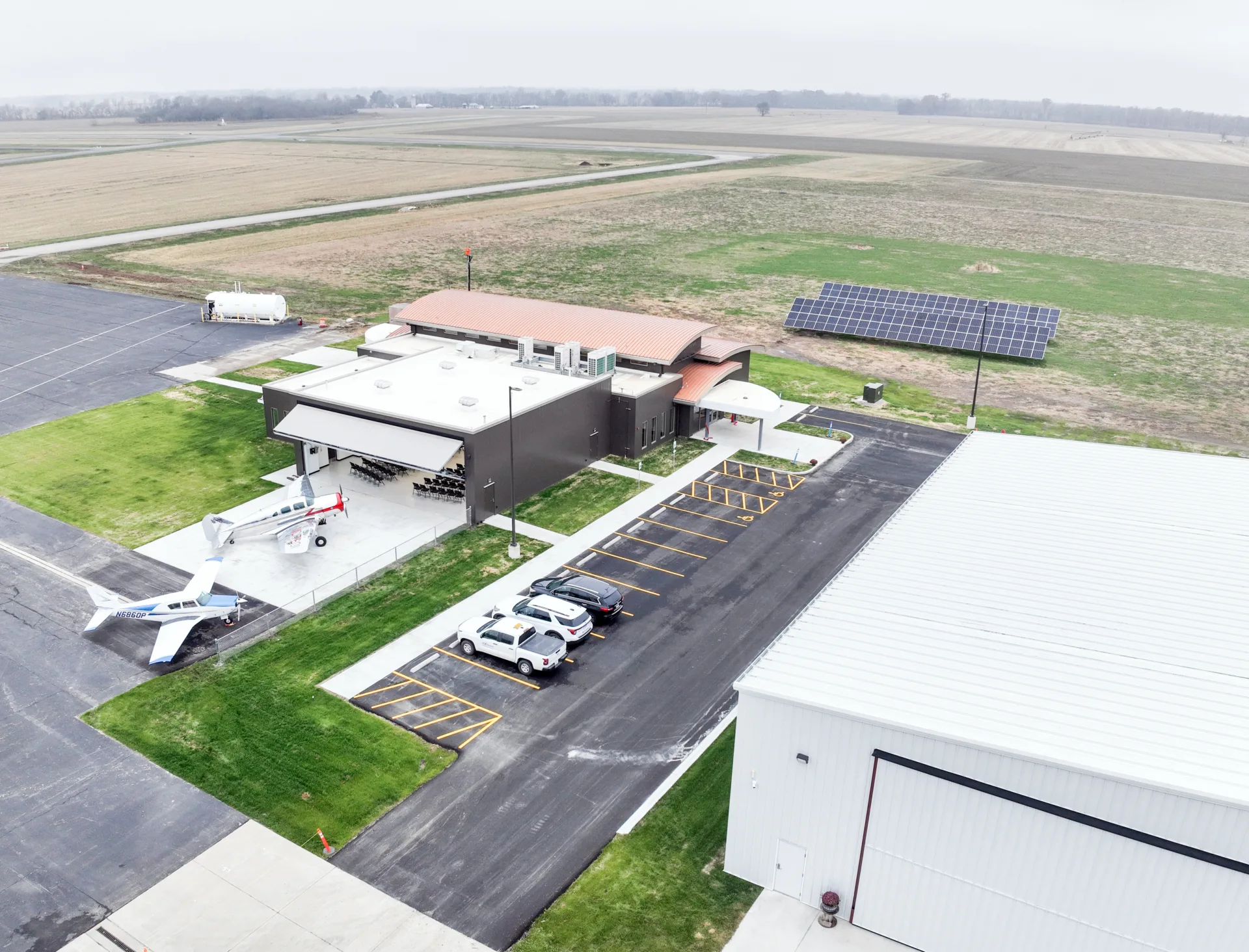
The commercial service facility in Springfield, Illinois, home to the Illinois Air National Guard’s 183d Wing, has undertaken terminal and checkpoint expansions, installed six solar arrays and created a smart airport and regional logistics plan to establish itself as an airport of the future. These efforts offer a model other regional airports can emulate as they look for ways to modernize without losing the character that makes local airports feel welcoming.
A fresh terminal experience that reflects Springfield’s story
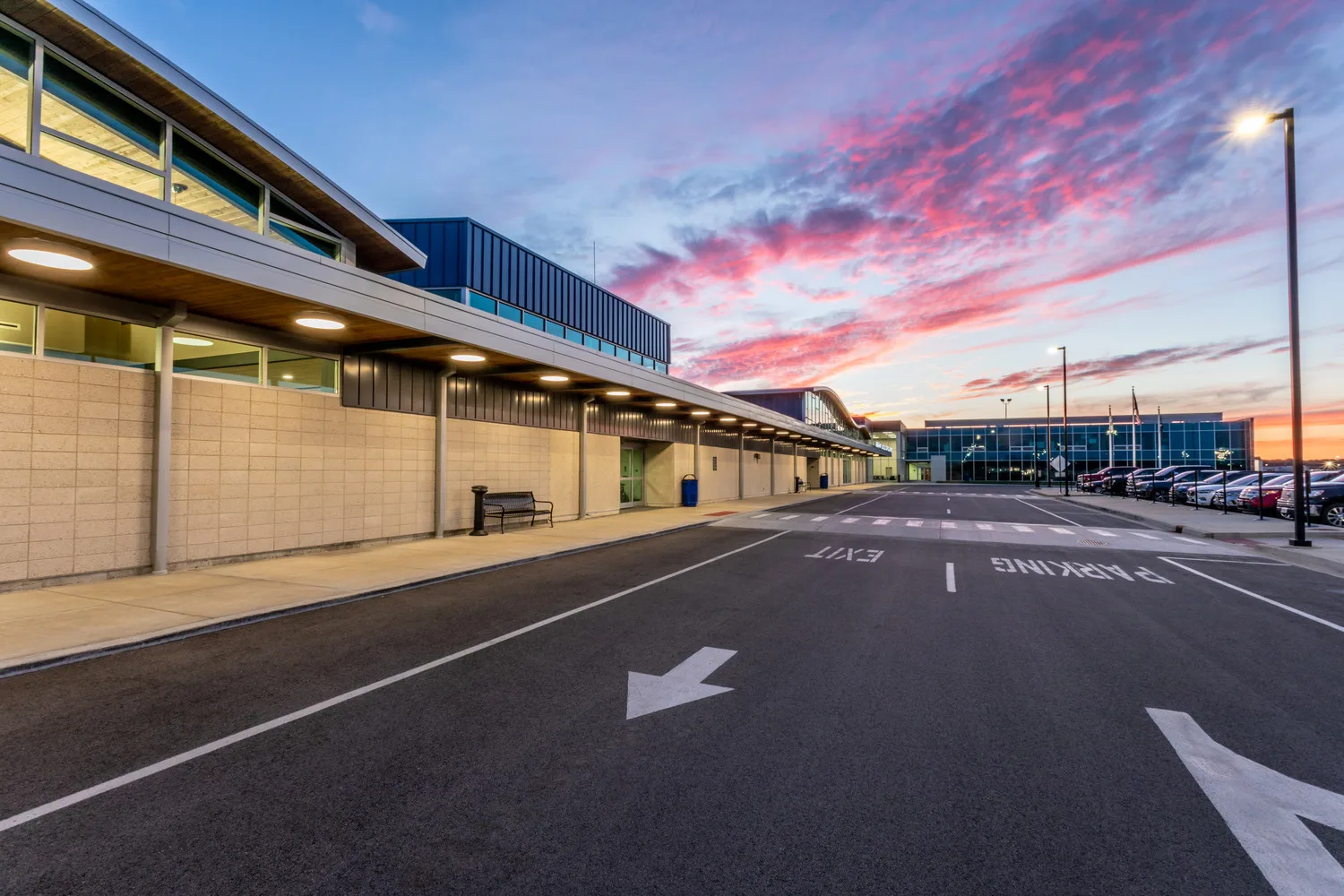
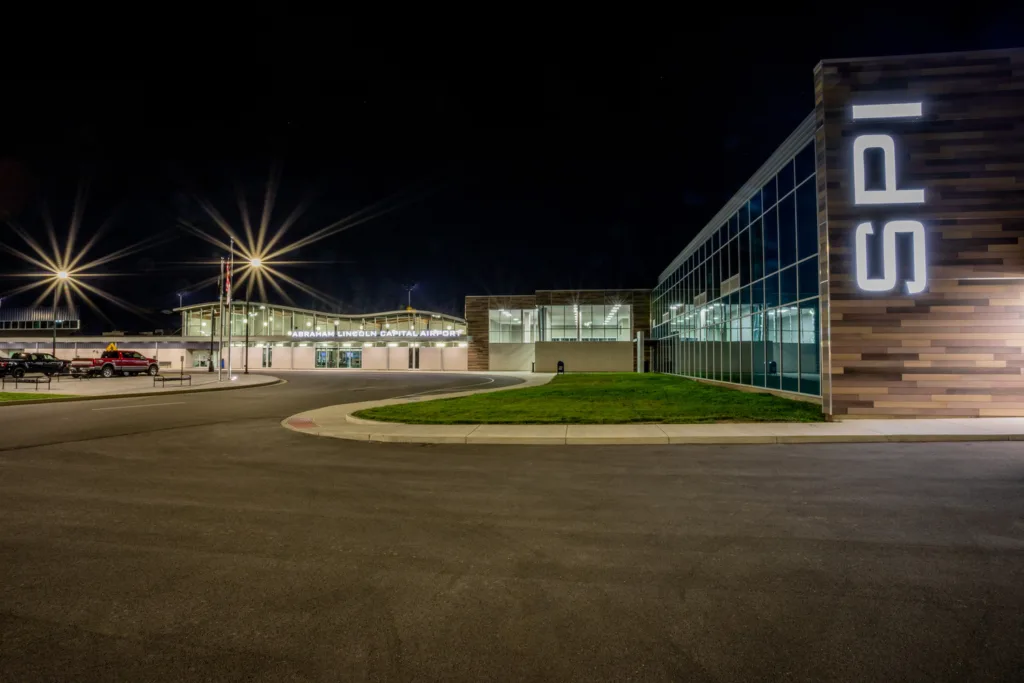
The Springfield Airport Authority introduced terminal updates in 2020 that focus on comfort, efficiency and local pride. Modern finishes, brighter lighting and updated seating have created an improved customer experience while keeping the terminal’s layout clear and accessible.
Airports that invest in similar upgrades often see better passenger flow and a calmer atmosphere — something travelers notice right away. These changes can also support concession partners by giving them more inviting spaces and stronger visibility.
Smart airport technology that makes travel smoother
Smart airport projects take the renovation further by adding technology that supports faster operations and a more connected experience. As at SPI, this can include features such as:
- touchless check‑in tools
- faster, more reliable Wi‑Fi
- expanded digital signage to keep travelers informed
- better security checkpoints using updated screening tools
- energy‑saving building systems that cut waste and support sustainability goals
For travelers, these upgrades reduce stress and uncertainty. For airport teams, they streamline daily work and reduce bottlenecks.
Many airports see strong results when they implement similar technology. Smart systems can support higher throughput and keep people moving even during peak travel periods.
Smart airport and regional logistics planning
To make the most of SPI’s success in the development of six solar arrays that offset over 90% of the airport’s electrical costs (through net metering, to serve all airport accounts) and three tenant accounts, SPI launched a smart airport and regional logistics plan. This plan identified further opportunities to increase the terminal’s energy efficiency, identify future electrical and potential hydrogen use to power the aircraft of the future and ground vehicles, as well as how to meet those demands. It identified areas of the airport to reserve for aeronautical development and identified opportunities for nonaeronautical development to enhance economic development opportunities for the community. The study also considered how to better connect SPI to the community and region.
The ripple effect across the region
When an airport modernizes its gateway to the world, the positive effects reach well beyond its walls, strengthening opportunities for tourism, business travel and potential airline partnerships. Modern terminals feel more current, efficient and reliable, which can help airports stand out when airlines review route networks.
Regional airports in other communities can gain similar momentum from a thoughtful renovation. Even modest upgrades create positive energy around air travel and can help position an airport as a key economic driver.
A model other airports can follow
Every airport has its own history, its own economic challenges and its own expectations from the community. SPI demonstrates that you don’t need a major‑hub budget to create meaningful change. With clear goals and steady planning, airport authorities can:
- prepare for the future with smart airport planning
- refresh terminals to improve comfort and usability
- add smart tools to support smoother operations
- highlight local identity through design choices
- strengthen sustainability efforts through modern building systems
- work with local partners to spark community engagement
As airports across the country look to the future, SPI offers a strong example of how technology and modern design can work together in a way that feels approachable, thoughtful and community‑centric.