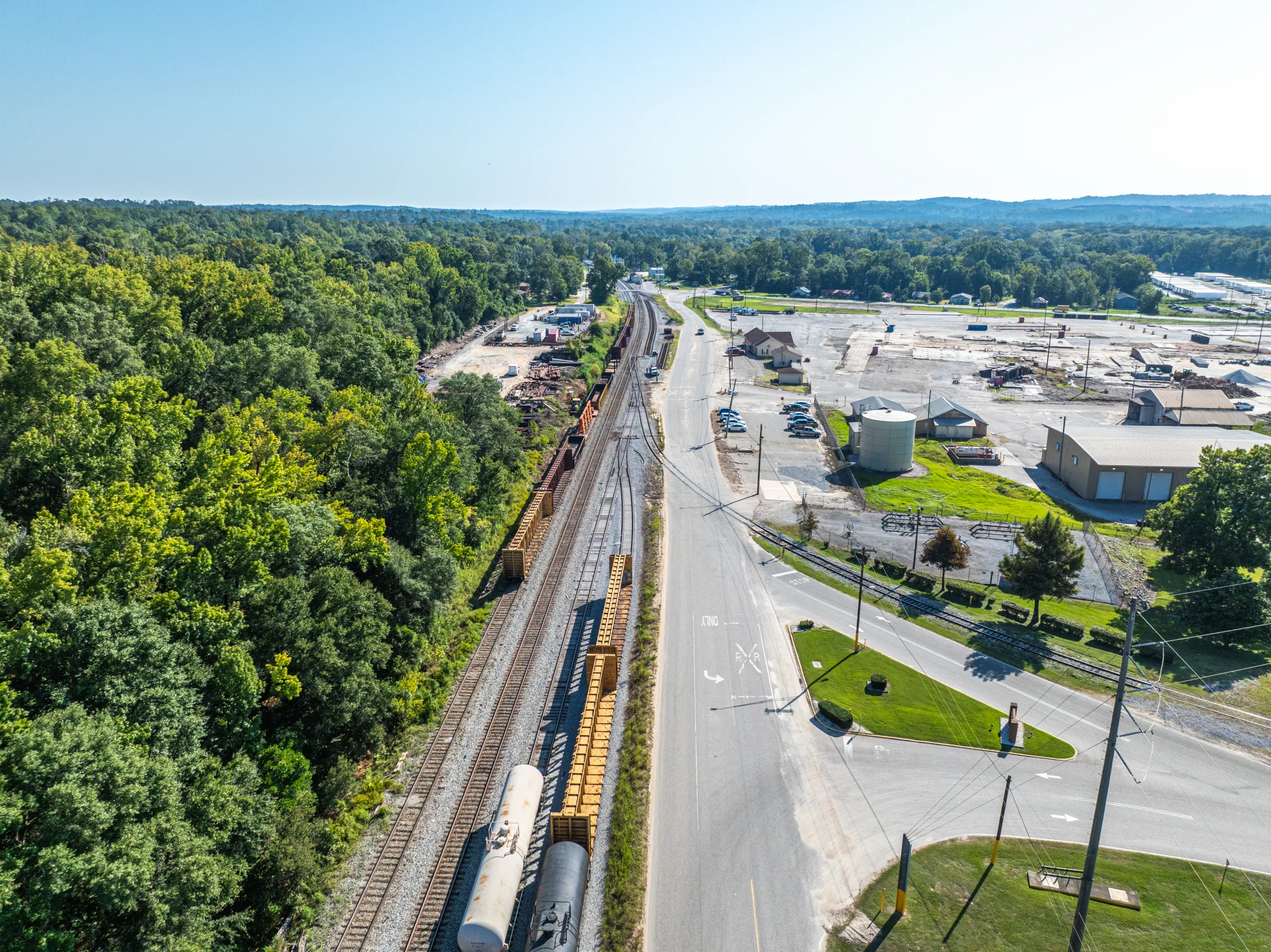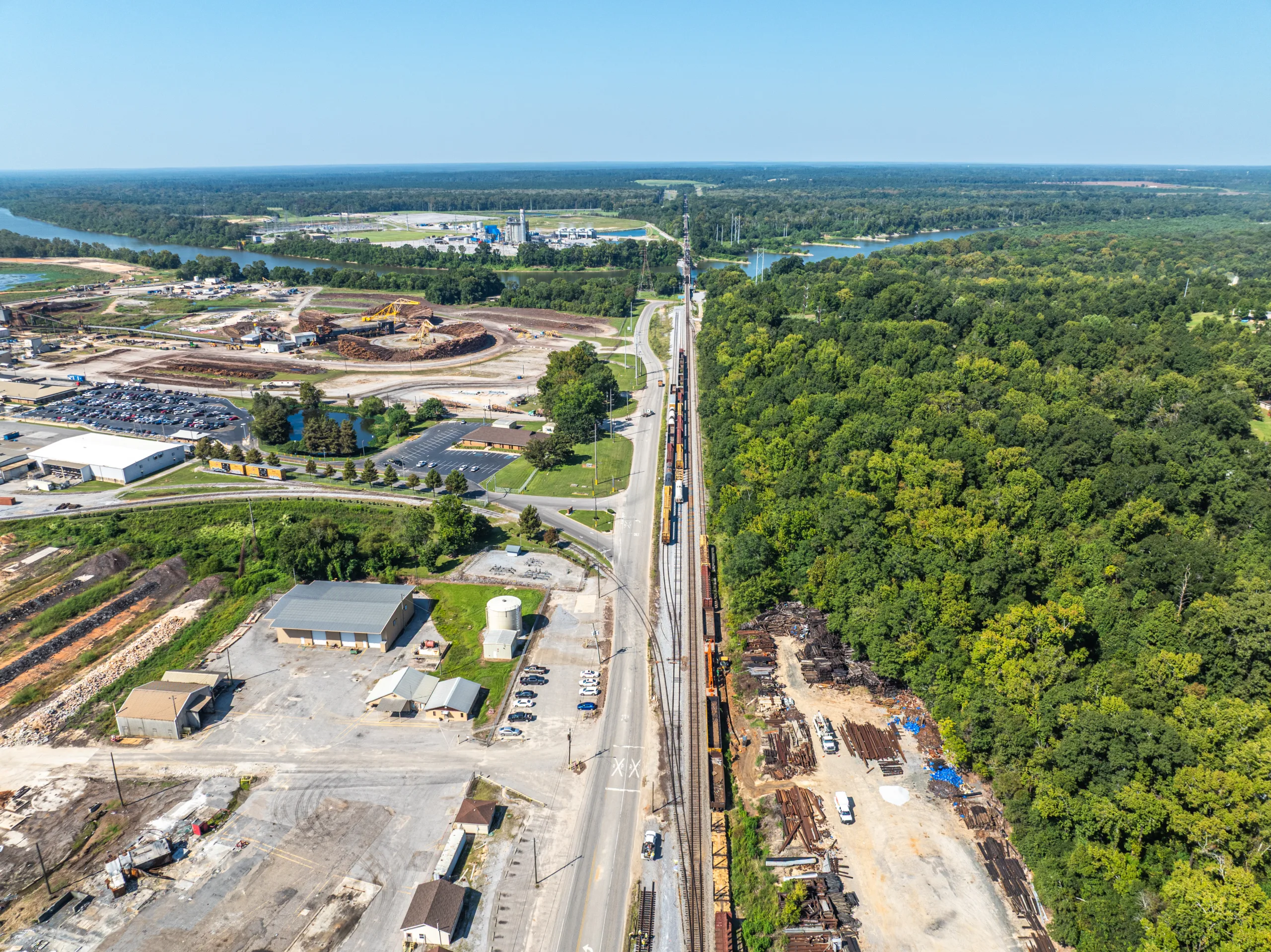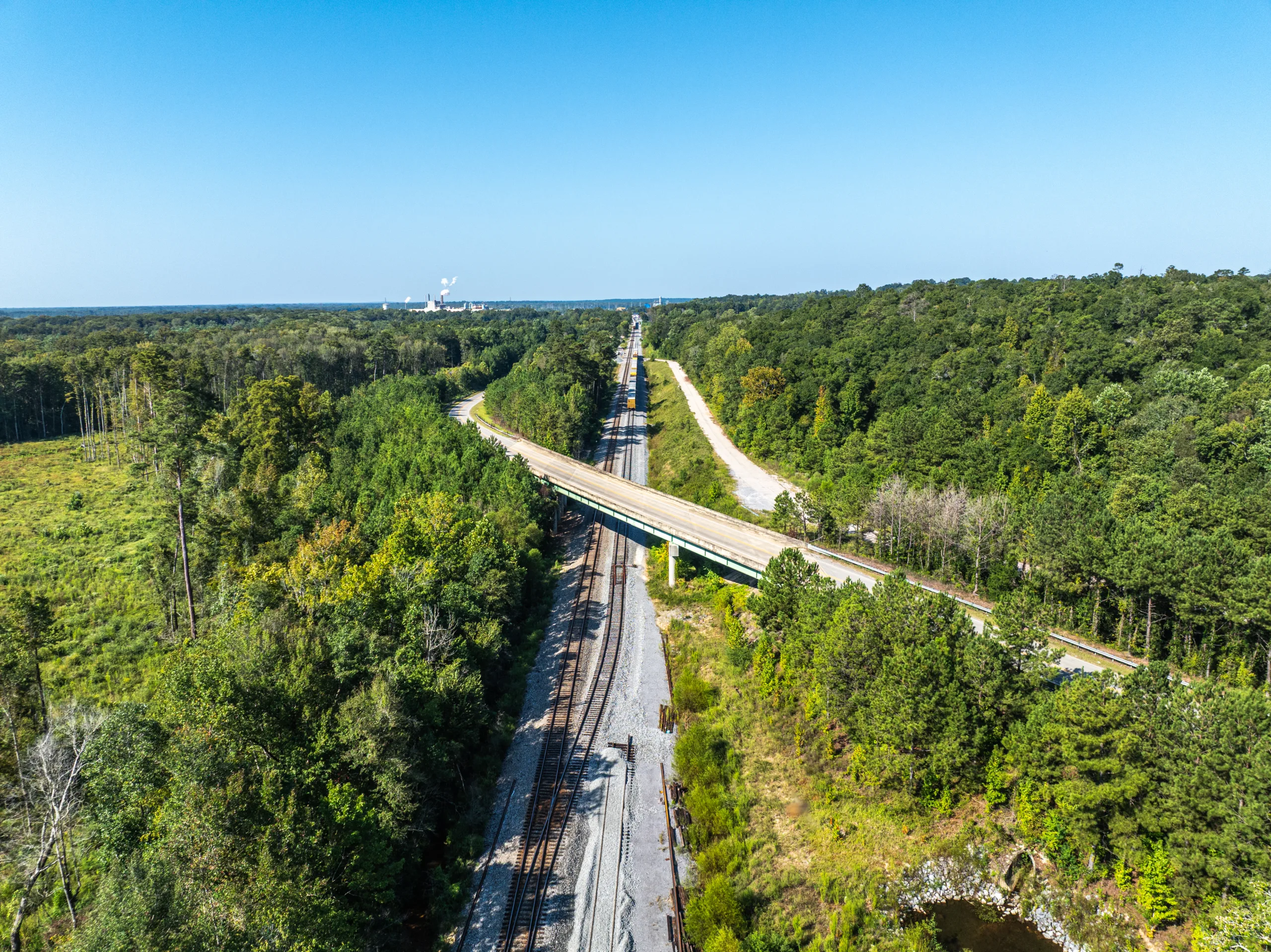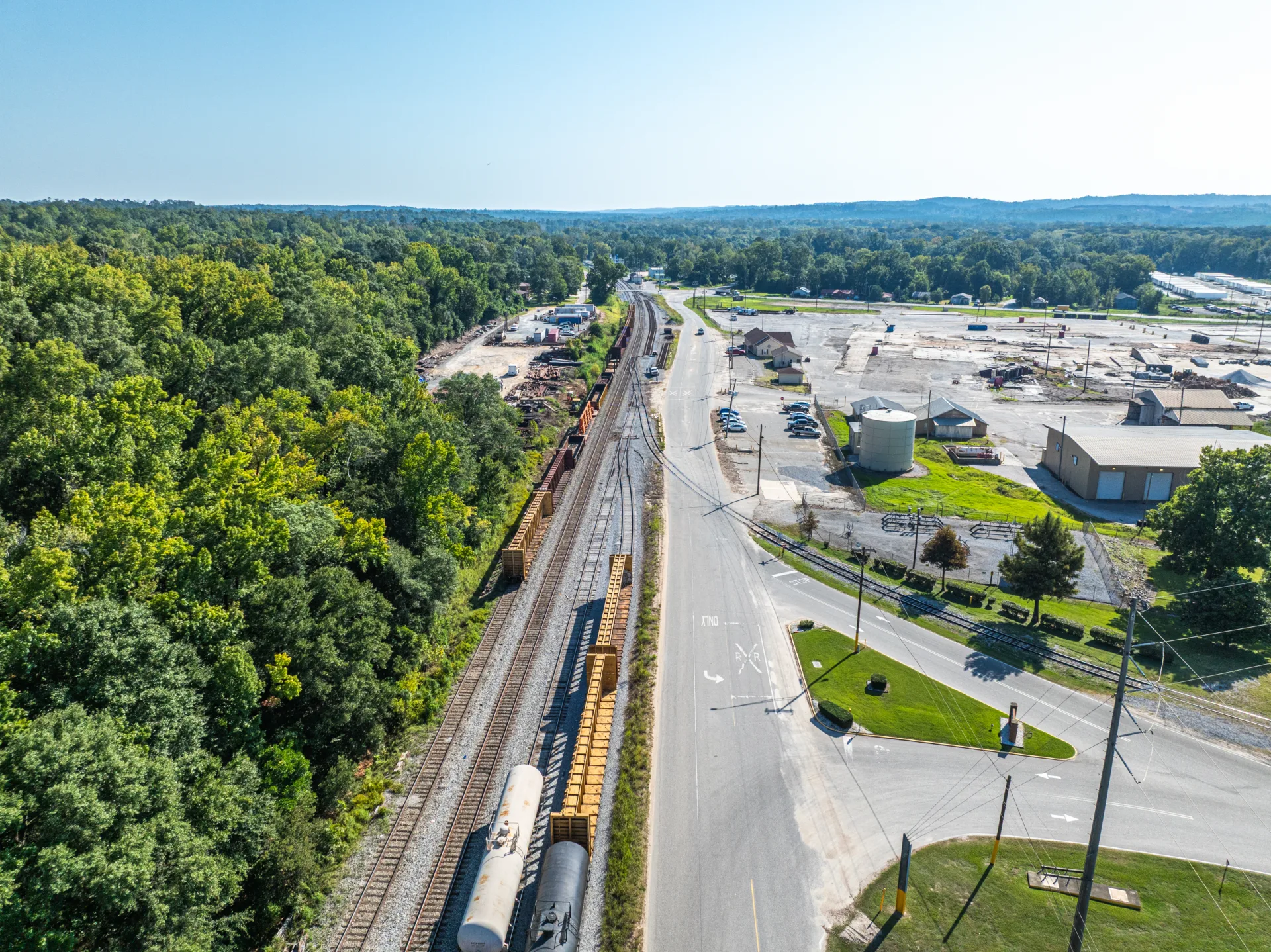
Hanson worked with Norfolk Southern (NS) to extend a siding and add industry tracks to accommodate business expansion near its mainline in Jackson, Alabama.
A local papermill adjacent to the NS mainline invested $350 million in plant expansion and improvements, which resulted in a need for additional trackage to handle increased plant traffic. The papermill added two stub tracks, each approximately 1,700 track feet (TF) of wood tie with continuous welded rail to store additional cars. Phase 1 of the siding extension provided pullback capacity for switching the plant without fouling the mainline. The Phase 2 siding extension increased the overall siding capacity to approximately 15,000 TF, allowing trains to pass in the corridor with increased traffic.
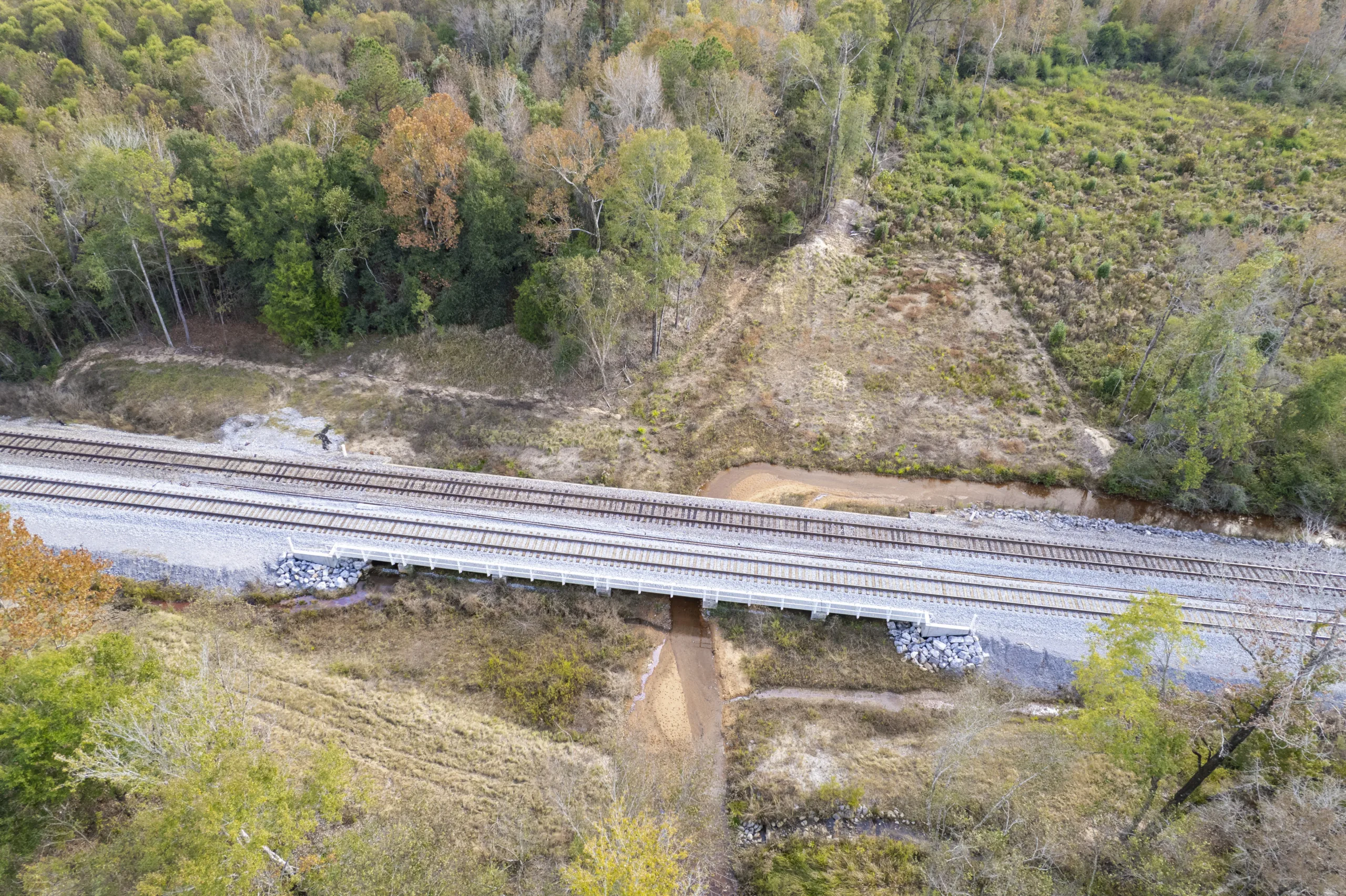
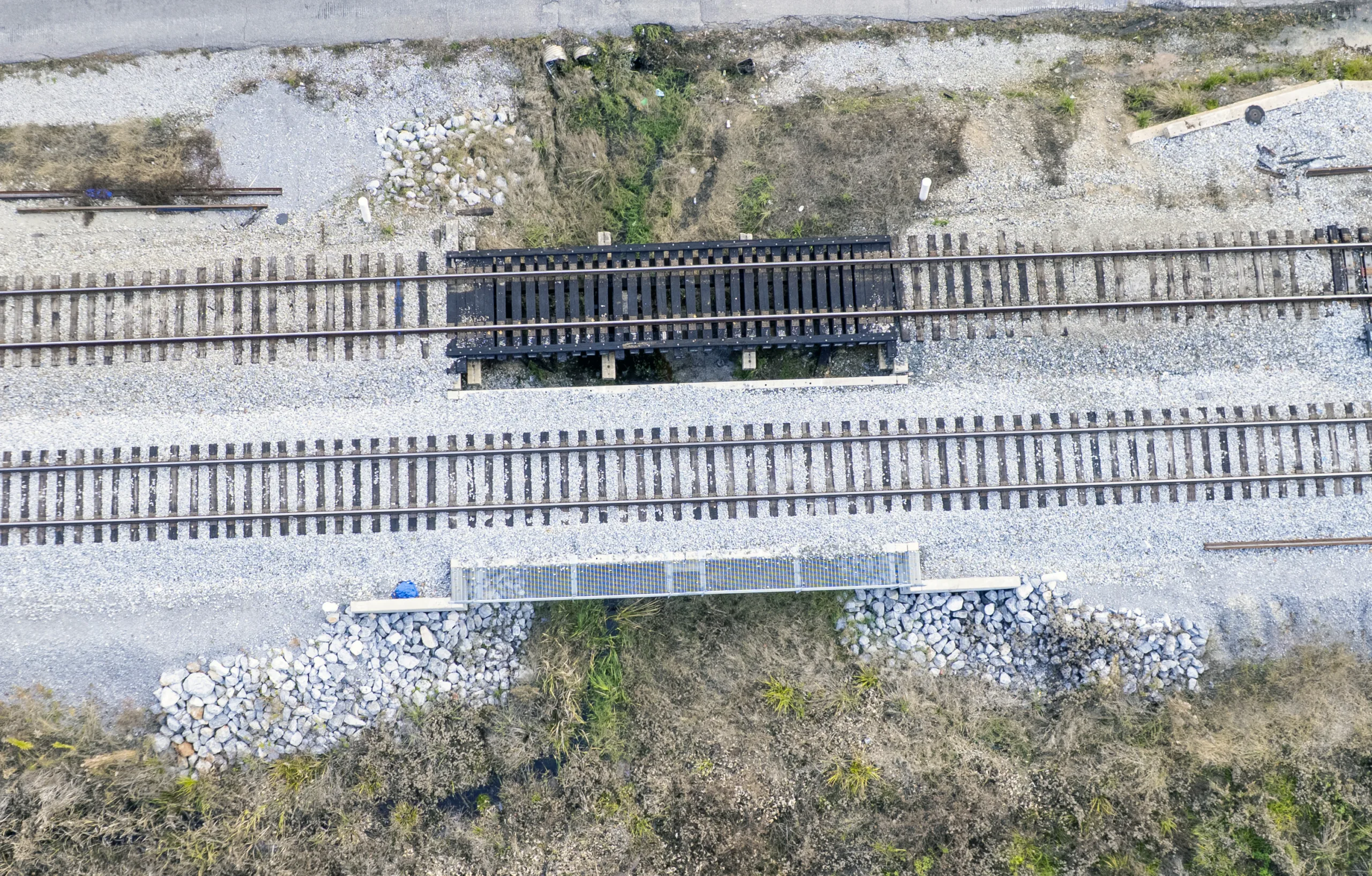
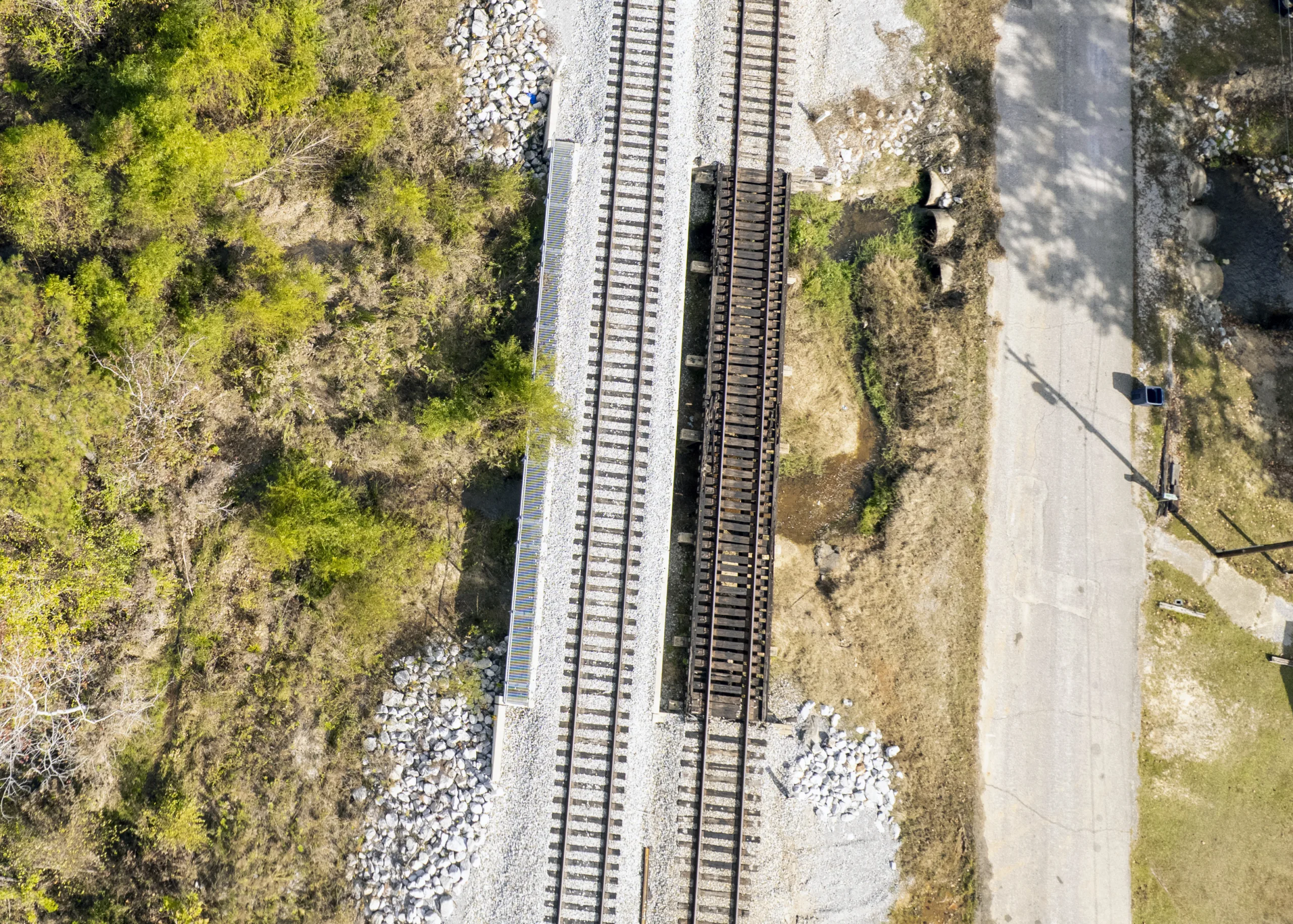
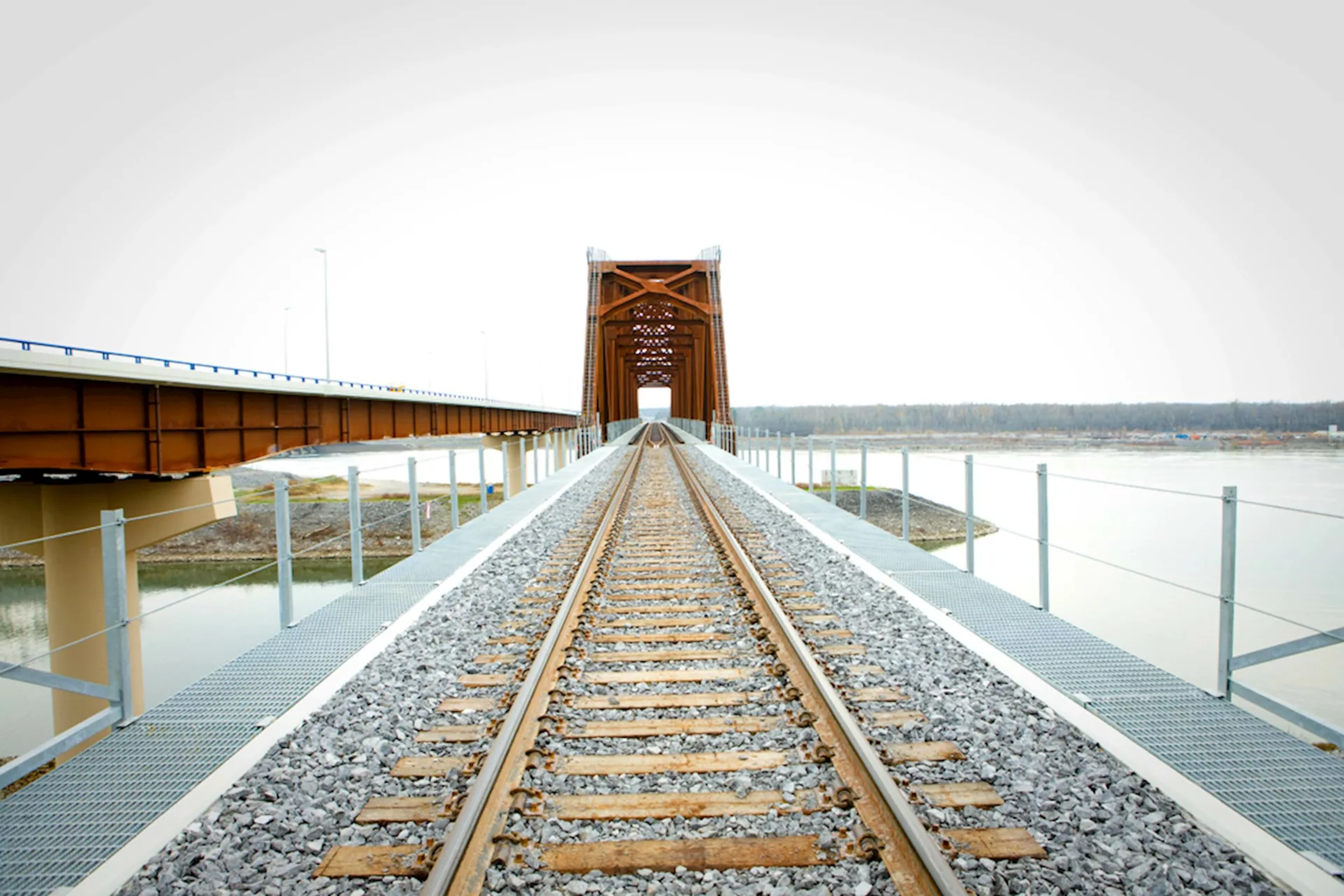
The two-phase project involved constructing approximately 15,000 TF of roadbed, track and three new bridges. Hanson provided structural design; topographic surveying; geotechnical exploration and engineering; water resources; drainage structure design; civil/track design; utility relocation coordination; grading design; bridge design; grade crossing approach design, including Maintenance of Traffic plans; National Pollutant Discharge Elimination System (NPDES) documentation; Erosion and Sediment Control plan requirements; and Stormwater Pollution Prevention (SWPPP) documentation as part of the environmental services for the extension. Hanson also identified real estate engineering requirements for the project.
NS funded Phase 1 under the condition of an in-service deadline of May 2023 and included extending the north Jackson siding by 4,000 TF, installing three temporary hand-throw switches and control points, expanding two bridges and obtaining a wetland permit.
Phase 2 involved extending the Jackson north and south sidings by 10,400 TF, installing one hand-throw switch and removing another, swapping the mainline and siding, expanding a bridge and obtaining a second wetland permit.
Challenges and solutions
Both phases presented obstacles for the project team. Hanson, NS and the contractor collaborated to address each obstacle with reasonable solutions.
During Phase 1, the contractor determined that access for the backwall construction on the two new bridges was too limited. Hanson arrived at a solution by designing a deadman anchor system that provided additional room for construction. Also, during Phase 1, an unforeseen spring/perched water table caused a blowout while workers were cutting the backslope of a ditch, leaving a large void. Hanson and NS considered multiple solutions, including using vendor geosynthetics products. The team was able to find an economical solution that stabilized the backslope.
During Phase 2, initial geotechnical boring for the new bridge uncovered an unexpected geological formation. The driller encountered cobbles and boulders at approximately 60-foot depth while using a tricone auger, which would not stay open. With a second mobilization, the driller successfully used an HQ casing advancer/core barrel to bore to the 100-foot depth needed to attain the pile capacity required for the bridge design.