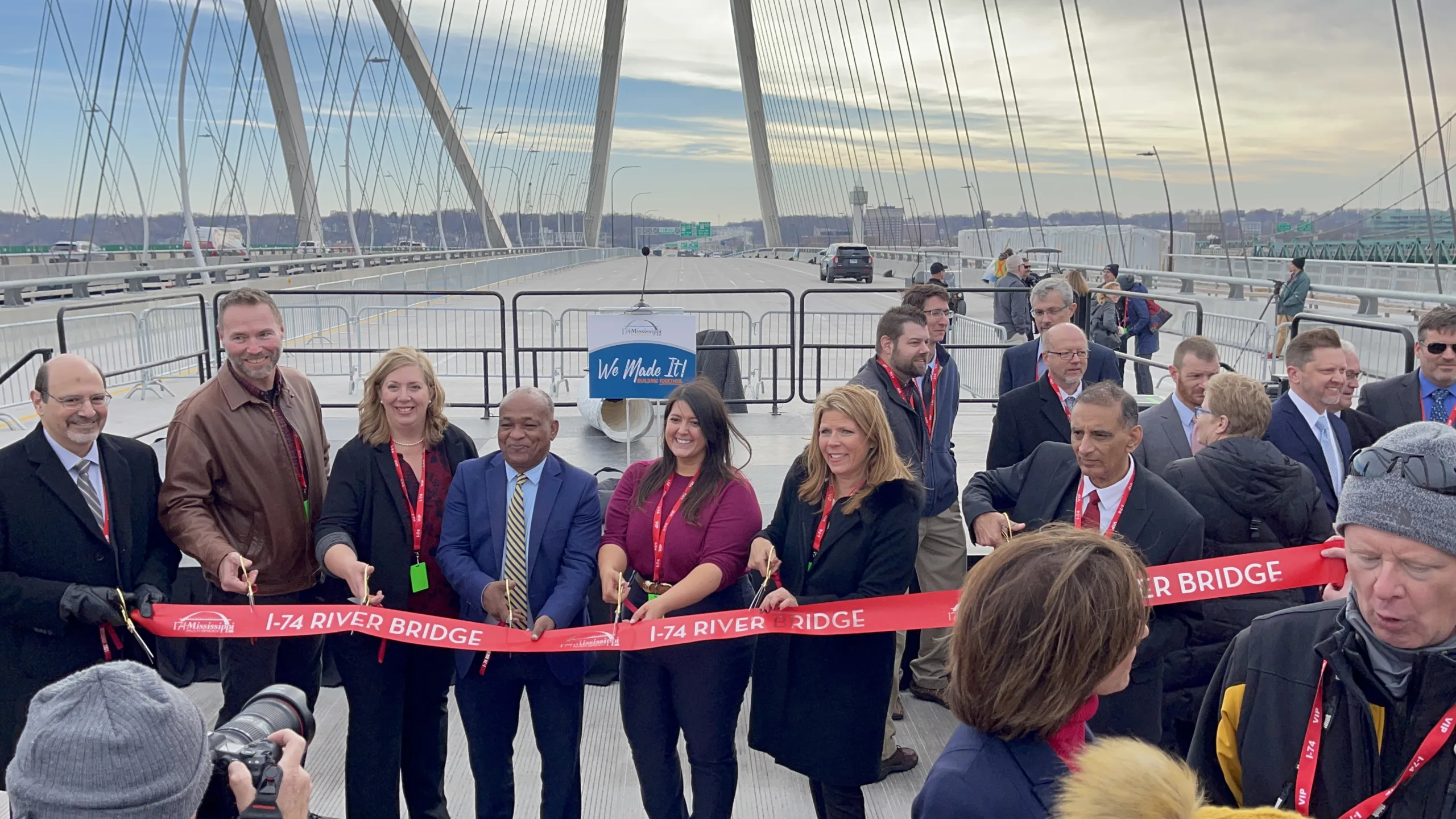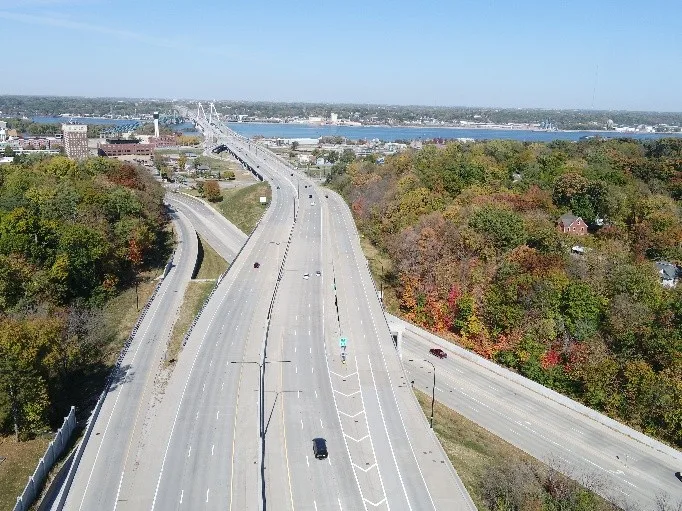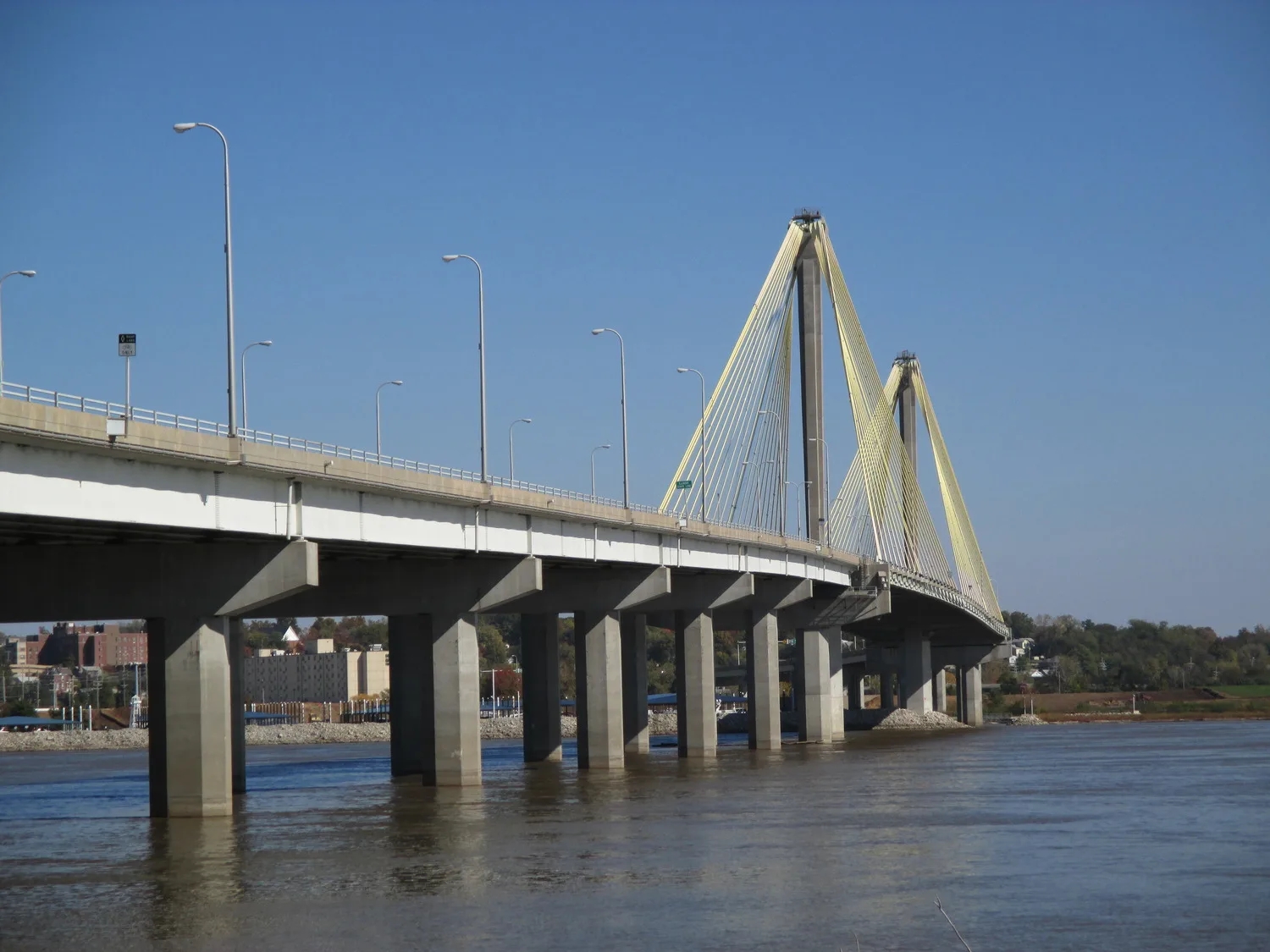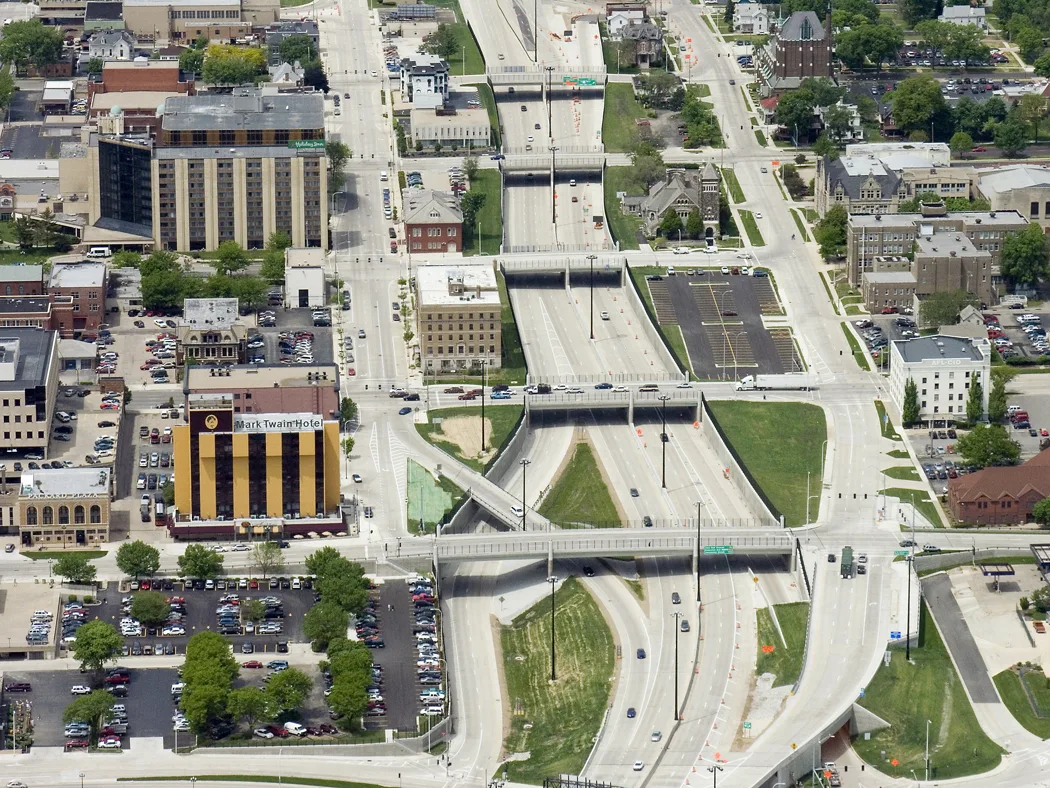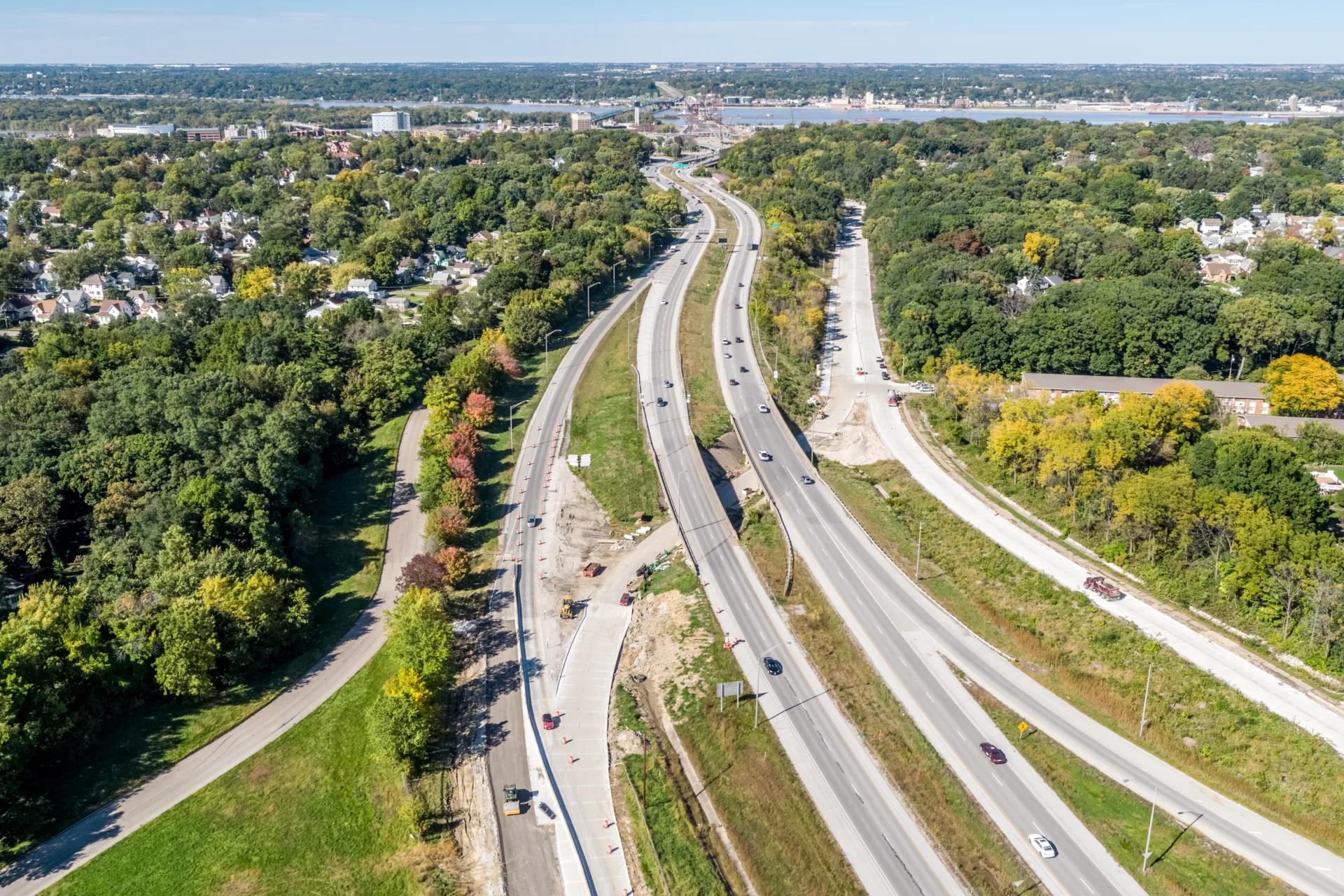
The Interstate 74 (I-74) Mississippi River Bridge Corridor Project was a transformative $1.2 billion infrastructure investment designed to modernize a critical transportation link between Illinois and Iowa, while supporting the continued growth and revitalization of the Quad Cities region. The project addressed aging infrastructure, increasing traffic demands and multimodal transportation needs along a 7.8-mile segment of I-74 connecting Moline, Illinois, and Bettendorf, Iowa.
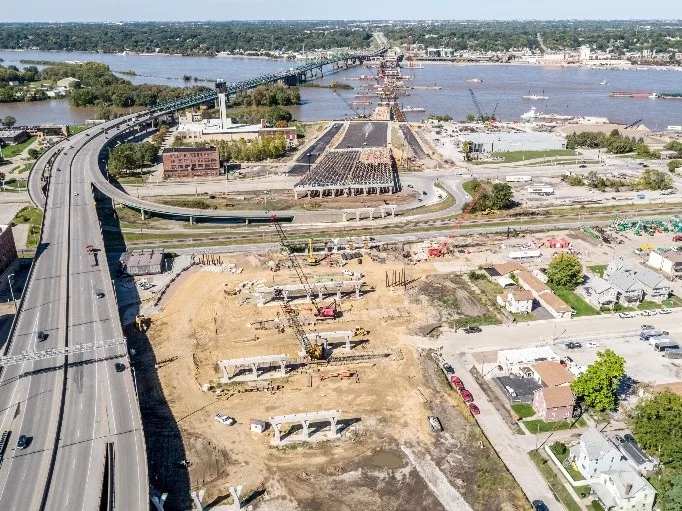
At the heart of the program was the replacement of the existing Mississippi River crossing with twin signature basket-handle through-arch bridges spanning approximately 3,300 feet across the river, including an approximately 800-foot navigation span. The project also included reconstruction of the interstate corridor, six interchange improvements, upgrades to connecting arterial roadways, expanded transportation capacity and enhanced accommodations for pedestrians, bicyclists and transit users. The new bridge provides four travel lanes in each direction, full inside and outside shoulders, a shared-use path for bicyclists and pedestrians, and a pedestrian overlook with panoramic views of the Mississippi River.

Largest roadway construction contracts ever awarded by IDOT D2
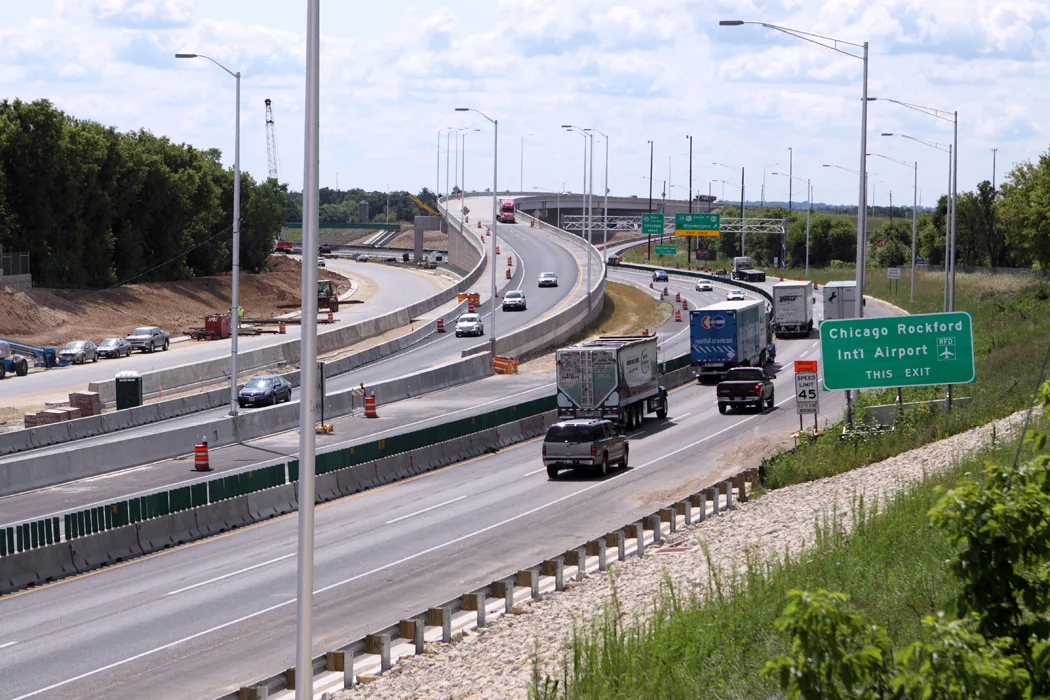
As a major subconsultant to Alfred Benesch & Company, Hanson provided final design services for approximately three miles of interstate and local roadway improvements on the Illinois side of the river. Hanson helped deliver two of the largest roadway construction contracts ever awarded by the Illinois Department of Transportation (IDOT) District 2. These contracts included reconstruction of the I-74 mainline, 11 bridges, 10 retaining walls, 10 ramps, 10 local roads and two multiuse paths.
Hanson’s roadway design services included reconstruction of the I-74 mainline, ramps and local roadways, as well as maintenance of traffic, bicycle and pedestrian accommodations, along with intersection and traffic signal improvements throughout the corridor. Hanson also provided corridor-wide geotechnical engineering, retaining wall design, transportation management planning, incident management planning, traffic engineering analyses and forecasting, cost estimating and risk assessment support.
Challenges and successes
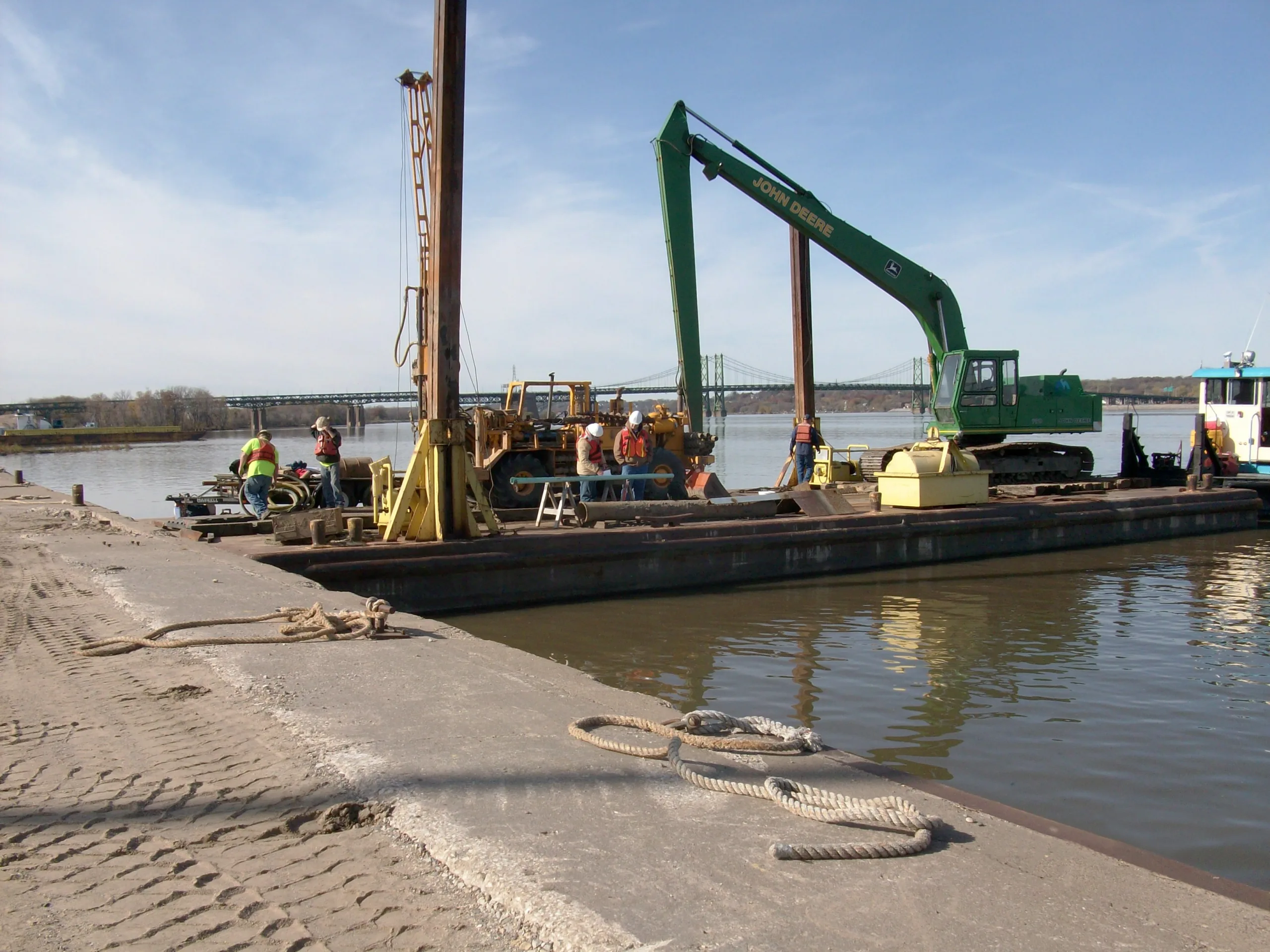
The project presented numerous technical and construction challenges, including a constrained urban environment, active rail corridors, heavy traffic volumes, Mississippi River navigation requirements, floodplain considerations, scour potential, severe seasonal weather conditions and shallow bedrock. Hanson provided geotechnical design and construction support services for the river bridge foundations, approach structures, retaining walls and supporting infrastructure to help ensure long-term performance and reliability.
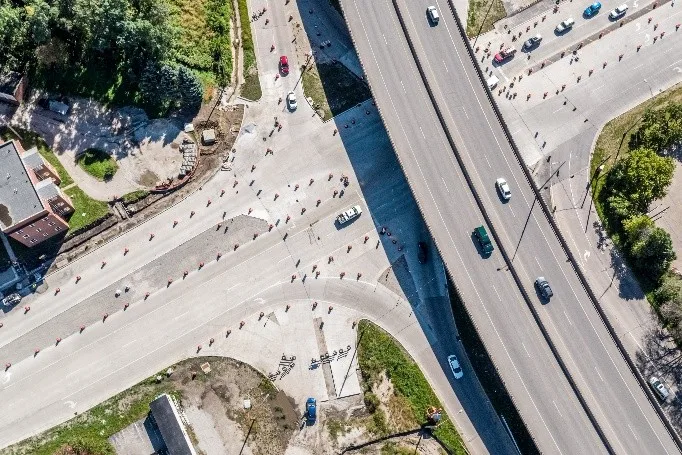
A key project success was the development of innovative traffic management and construction staging solutions to minimize disruptions for the traveling public. Hanson developed modified staging plans that maintained interstate traffic flow across the river, including a creative U-turn traffic configuration that reduced conflicts with railroad operations while allowing adjacent construction contracts to recover schedule. These solutions helped maintain mobility throughout construction and supported overall corridor delivery objectives.
Coordination and innovation
To enhance project coordination, Hanson developed, hosted, administered and maintained a customized web-based document management system for the project team, which included 10 consulting firms and both the Iowa and Illinois departments of transportation. The system managed more than 28,000 project documents and supported approximately 700 users throughout design and construction. By providing a centralized platform for document sharing, workflow management, comment tracking, requests for information, issue resolution and decision documentation, the system improved collaboration and provided real-time access to project information for all stakeholders.
The project team also implemented an innovative delivery strategy that divided the corridor into operationally independent construction packages. This approach reduced the estimated construction duration from as much as eight years to approximately 3.5 years while maintaining accessibility, minimizing impacts to the traveling public and accelerating project benefits to the region.
A beneficial collaboration
The completed I-74 Mississippi River Bridge Corridor Project has significantly improved regional mobility, safety and connectivity while creating an iconic gateway to the Quad Cities. The project stands as a successful collaboration between state and federal agencies, local stakeholders and the consulting team, earning national recognition for engineering excellence and delivering lasting transportation and economic benefits to the region.