Redefining resilience with onsite energy
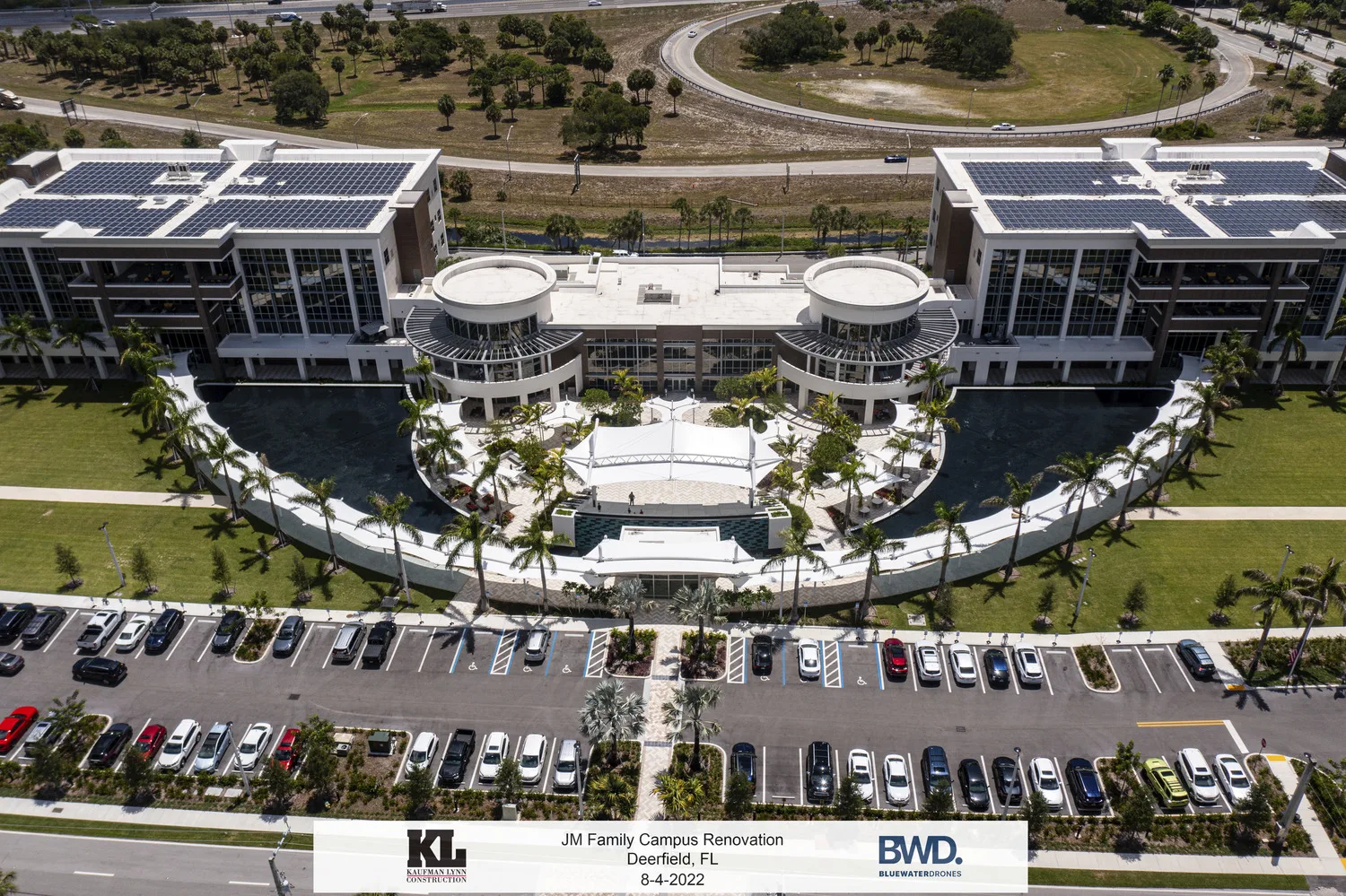
Hanson provides independent, third-party commissioning services with a proactive approach at every phase of a project. Since our first commissioning project in the 1980s, we have continually refined our processes to focus on delivering quality solutions while acting as your advocate. We provide energy and energy management services via various pathways that can focus on energy consumption, resiliency or the carbon footprint of the facility. These range from simple energy audits through energy management plans.
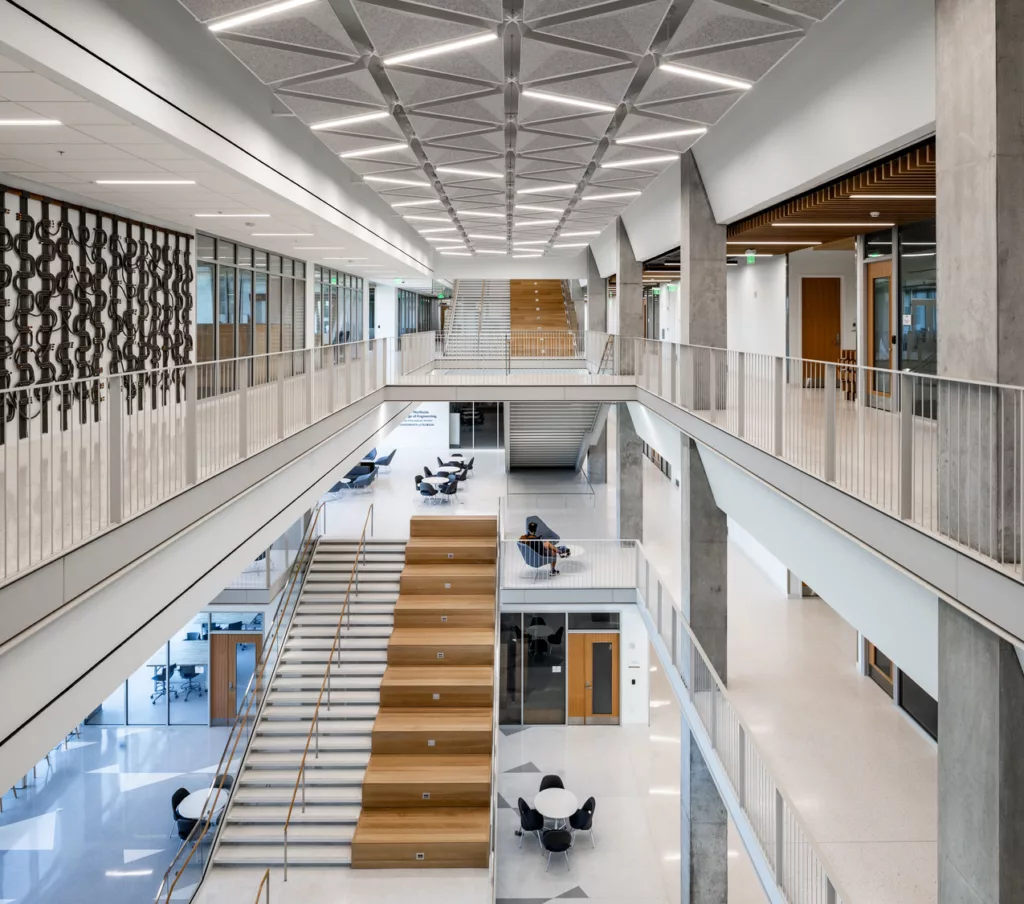
Our commissioning and energy team members have diverse backgrounds in design, construction and building operations, bringing a well-rounded perspective on behalf of the owner — from pre-design to construction, occupancy and beyond. The team’s technical abilities have helped build Hanson’s reputation for executing commissioning and energy projects on high-tech facilities, such as airports, laboratories and research facilities, health-care facilities, data centers, central energy plants and a variety of renewable energy systems. With the ever-increasing complexity in building systems affected by the reduced construction-phase length, our experience helps you attain your desired healthy indoor environmental quality while you achieve reduced energy consumption. Our team provides several commissioning levels tactical code-required, sustainable certification-required, including fundamental and enhanced.
Get in touch!
Have a question about our services, career opportunities or teaming opportunities? Call us at 1 (800) 788-2450 or submit this form, and a member of our staff will respond as soon as possible.
- Resilience for mission-critical infrastructure
According to Climate Central’s analysis of utility outage data, the United States experienced roughly twice as many weather-related power outages from 2014 to 2023 as it did between 2000 and 2009. As disruptions become more common, organizations are rethinking how critical operations continue when infrastructure is under stress. In the world of mission-critical operations, organizations don’t just lose money when the power goes out — they lose capability. Yet, most facilities still depend on centralized infrastructure that was never designed to guarantee continuous operation during prolonged disruptions, whether those disruptions stem from grid failures, severe weather, equipment limitations or other unforeseen events.
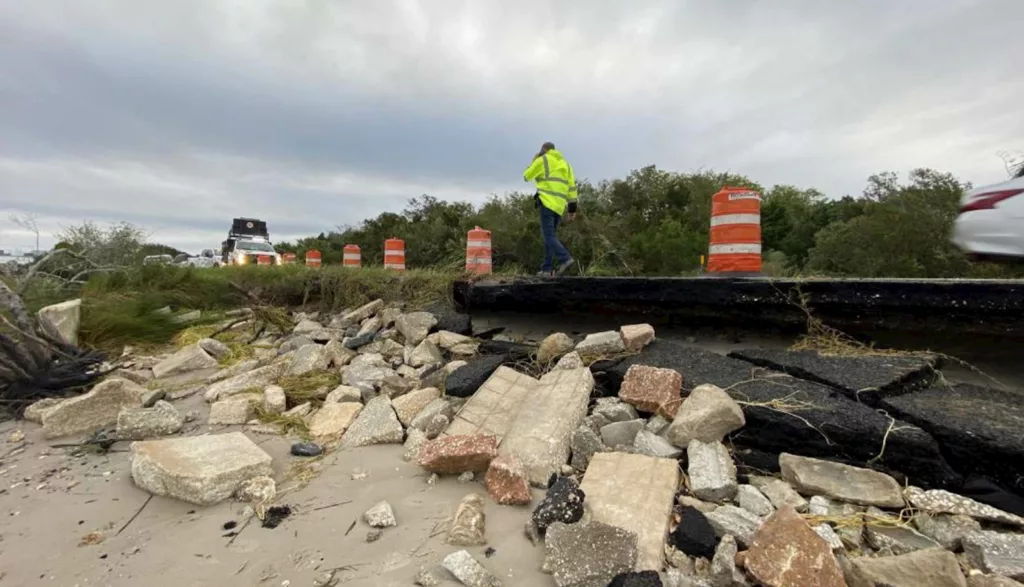
As weather-related and other disruptions become more common, organizations are rethinking how critical operations continue when infrastructure is under stress. The shift is less about technology and more about how risk is evaluated. Increasingly, organizations are reexamining critical infrastructure through the lens of resilience, evaluating everything from energy systems and communications networks to facility performance and operational constraints.
Resilience is the real driver
Energy resilience has moved to the forefront because the risk landscape has changed. Grid outages are becoming more frequent due to aging infrastructure, increased electrification and extreme weather, while cyber and physical threats to centralized systems continue to grow.
Federal priorities reflect this shift. The U.S. Department of Defense requested approximately $723 million for its FY2026 Energy Resilience and Conservation Investment Program, while the Department of Energy continues to administer a $10.5 billion Grid Resilience and Innovation Partnerships program.
Regardless of how energy policy is framed, the underlying requirement remains the same: critical operations must continue, even when the grid cannot. Increasingly, organizations are responding by reevaluating resilience across the systems that support their missions, from energy infrastructure and communications networks to cooling systems and facility operations.
Infrastructure with intention
Resilient systems are designed to mitigate operational risk. These systems enable facilities to:
- maintain operations during disruptions
- reduce dependence on vulnerable infrastructure
- improve visibility into system performance
- support future operational growth
- increase operational control
For owners, the value is straightforward: greater control over critical infrastructure translates into greater control over operations.
Creative solar use strengthens the resilience case

Solar power isn’t just a sustainability upgrade – it can support critical functions. A recent Hanson study for the Florida Department of Transportation shows that resilience starts with asking the right questions. During the schematic phase, the team looked at how Interstate 75 rest areas use power, what functions needed to stay online and how different outage scenarios could affect operations. Rather than treating solar merely as a sustainability upgrade, the team analyzed electrical loads, assessed battery backup options and modeled how onsite generation could support critical functions under different conditions. The result was a practical roadmap for using solar and storage to reduce dependence on the grid and improve continuity during disruptions.
The broader lesson is that resilience rarely comes from adding technology alone. It comes from understanding how a facility operates and designing around those needs. For defense contractors, that means making informed decisions about where on-site energy can provide the greatest value before investing in new equipment.
Modeled resilience
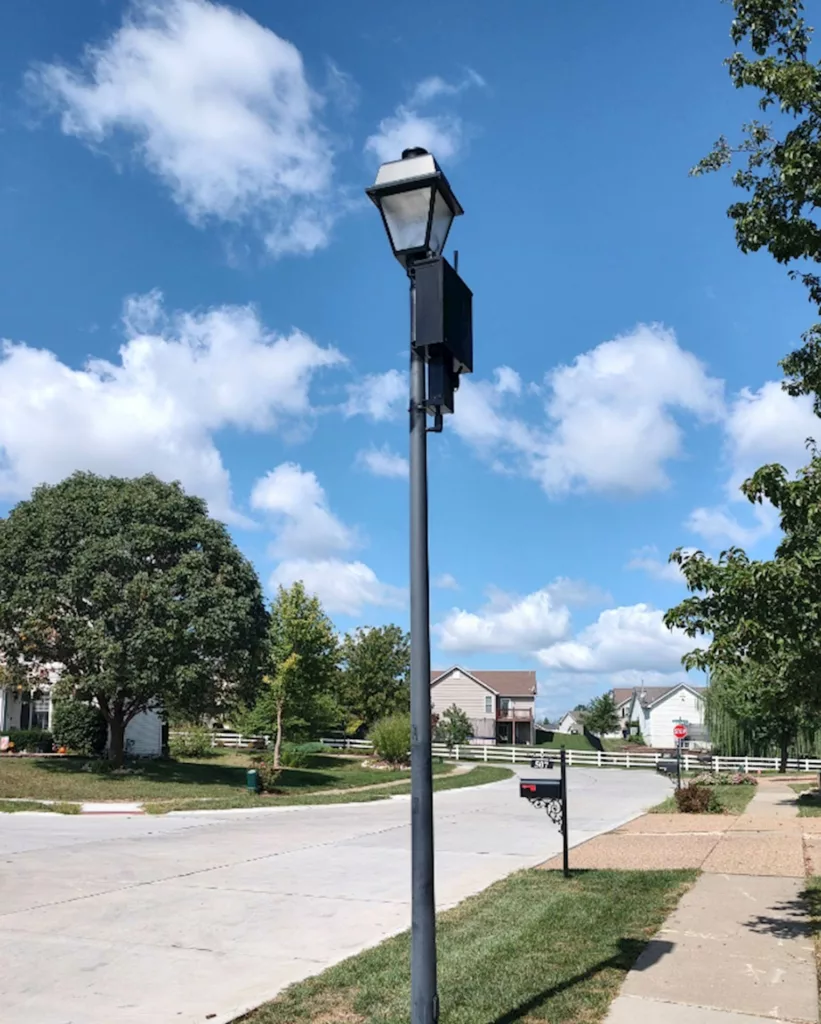
Hanson’s work supporting Ameren Illinois’ advanced metering infrastructure deployment is helping Ameren gain a better understanding of its power infrastructure for the benefit of its customers. Resilience also results from testing assumptions before they become problems. Whether the challenge involves power, communications or facility operations, a better understanding of the system often leads to better decisions.
Hanson’s work supporting Ameren Illinois’ advanced metering infrastructure (AMI) deployment illustrates this principle. For Ameren, its AMI network enables:
- automated meter reading rather than manual collection
- real-time or near real-time visibility into system performance
- faster identification of outages and service issues
- better operational decision-making across the utility system
To identify locations for hundreds of communications units across Springfield, the team developed a detailed 3D model of the city and tested potential locations against coverage requirements and existing site conditions. The approach reduced the number of required easements while maintaining network coverage. When communication issues emerged, additional field testing and data analysis helped determine how the problem originated, allowing the project team to focus on the source of the issue.
Roadmapping a portfolio of mission critical facilities
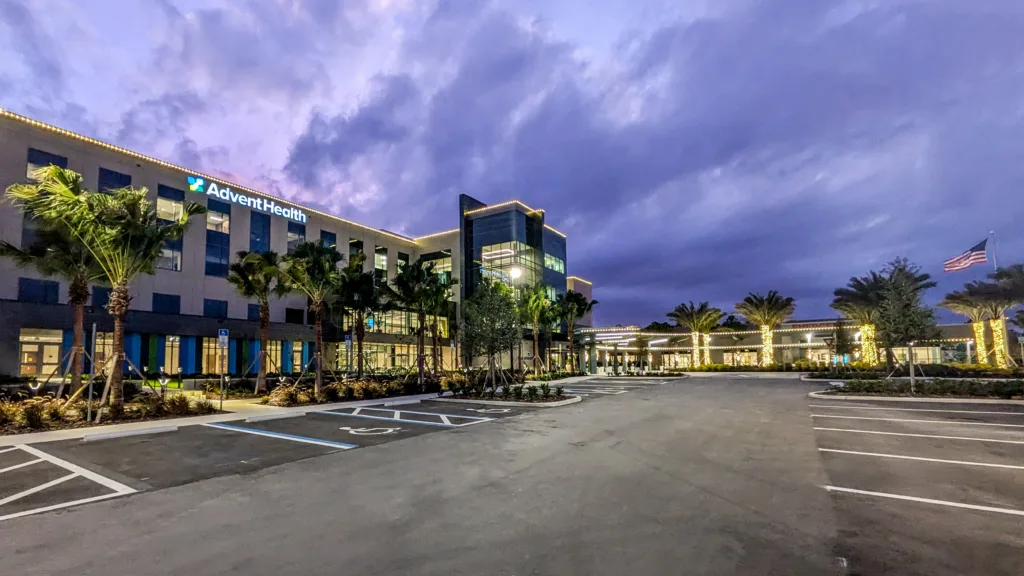
AdventHealth engaged Hanson to help prioritize energy investments and develop a long-term energy roadmap across multiple Central Florida campuses. Hospitals face a unique resilience challenge: critical services must remain available around the clock while facilities manage rising energy demands, aging equipment and growing operational complexity. Recognizing this, AdventHealth engaged Hanson to help prioritize energy investments across multiple Central Florida campuses and begin developing a long-term energy roadmap. Rather than trying to solve a single problem at a single facility, AdventHealth was building a roadmap for how an entire network of critical facilities would remain effective, efficient and adaptable over time. That’s the same challenge many defense organizations face across installations and portfolios of assets.
Hanson reviewed and prioritized energy conservation measures at four hospital campuses, evaluating potential savings, implementation costs, payback periods and project sequencing. The team also assessed renewable energy opportunities across a broader portfolio of facilities and identified a path for future audits, investments and implementation schedules. The result was a structured plan that aligned capital spending with long-term performance goals.
Resilience is not always built one project at a time: sometimes it begins with understanding an entire portfolio and identifying where investments will have the greatest impact. Whether the facilities are hospitals, military installations or industrial campuses, a clear roadmap can help organizations make smarter decisions, prioritize limited resources and strengthen their ability to adapt to changing demands over time.
Lessons from data centers
Data centers provide one of the clearest examples of resilience as a design requirement. Designed for near-zero downtime, they have historically prioritized redundancy and isolation from the grid, an approach that continues to evolve.
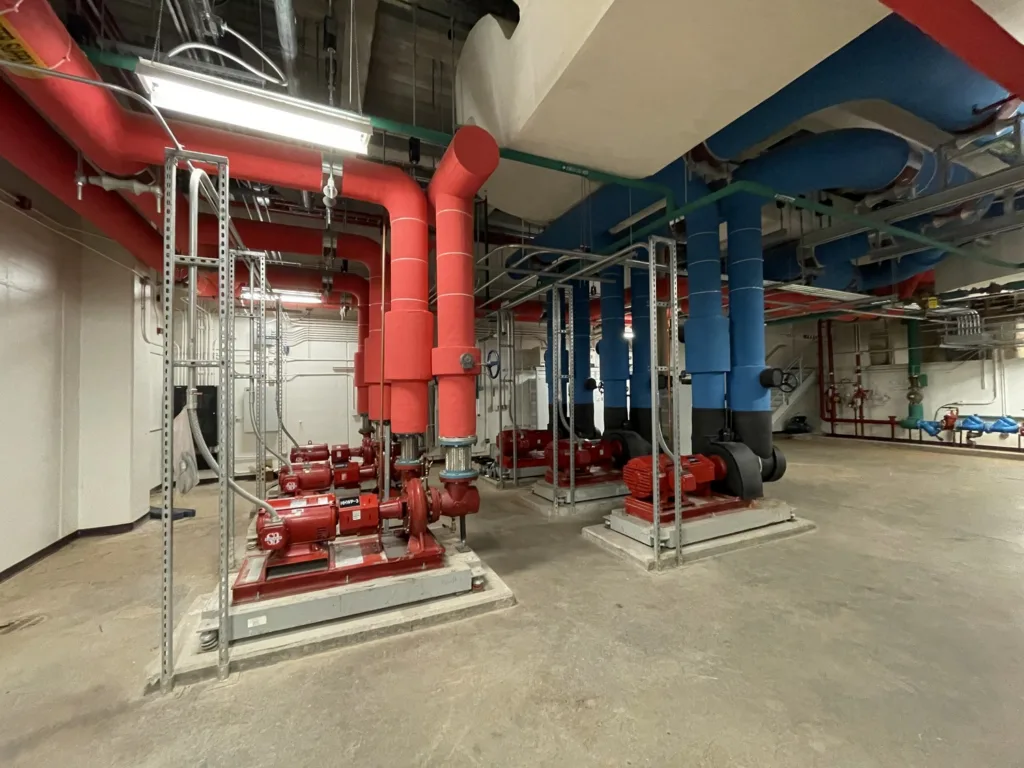
Hanson studied how Siemens Real Estate’s Quad III data center in Orlando, Florida, could support growth while maintaining reliability. Hanson’s work for Siemens Real Estate at its Orlando Quad III data center illustrates this challenge. The facility had expanded by approximately 25%, additional uninterruptible power supply equipment had been installed and projected IT loads continued to grow, but the cooling infrastructure had not been upgraded at the same pace. Hanson evaluated replacement options for the existing Liebert cooling system and outdoor condenser units, studying how the facility could support future growth while maintaining reliable operation in a mission-critical environment. The effort ultimately led to a modernized cooling system designed to meet future capacity requirements.
The key takeaway was that the resilience risk was not a failure but the growing mismatch between infrastructure capacity and operational demand.
From business case to design requirement
Resilience starts with understanding how a facility operates and where it is most vulnerable, whether evaluating solar and battery storage at a highway facility, modeling a communications network, prioritizing investments across a portfolio of hospitals or planning cooling upgrades for a growing data center. The best solutions are rarely identified by starting with technology. They are identified by understanding needs, constraints and risks first.
For mission critical facilities, resilience is becoming a design requirement rather than a future consideration. Hanson helps clients navigate that process by assessing risks, evaluating options and developing practical roadmaps that align infrastructure investments with long-term operational goals. From planning and analysis through design and implementation, the objective remains the same: helping critical facilities remain reliable, adaptable and ready to support the mission.
- Existing-building and monitoring-based commissioning services
Existing-building commissioning
Hanson provides existing building commissioning that includes recommissioning and retro-commissioning services for existing facilities. This process can fine-tune your facility to improve operational efficiencies. With a focus on low- and no-cost facility improvement measures and resiliency, the process also includes capital expenditure projects and those that are not feasible today but could be as the technology improves. Our EBCx process can build on an energy or carbon audit or a facility condition assessment.
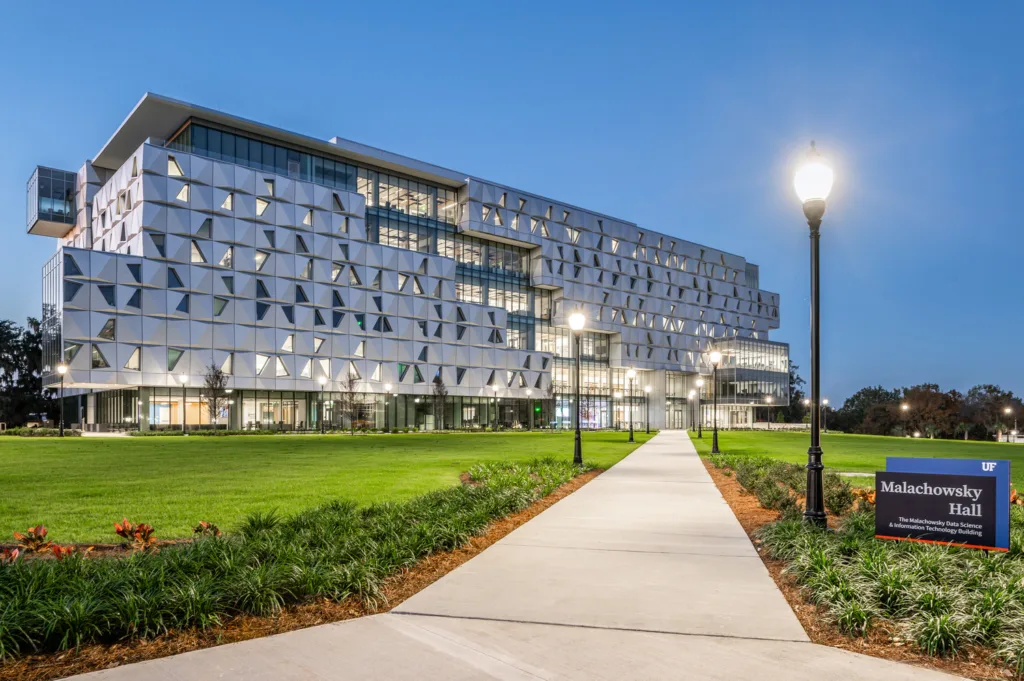
The University of Florida’s Malachowsky Hall for Data Science and Information Technology houses the university’s engineering, healthcare and bioinformatics programs. Monitoring-based commissioning
Monitoring-based commissioning is your facility’s intersection with data analytics, real-world engineering experience and system optimization. MBCx gives perspective on how a building is truly operating, versus how the designer expected it to operate, by allowing building owners to comprehensively evaluate their building and identify how one system’s operational issues may be caused by the inefficient operations of supporting systems. Hanson’s team can help you navigate the use of MBCx. As buildings become more automated, the MBCx process helps the owner sustain or increase the intended energy savings of the original systems and increase resiliency.
With our system-agnostic software, along with years of design and field experience, we target your building’s problem areas, allowing facility staff to be proactive instead of reactive.
- Energy management
Managing your facility’s energy consumption is critical to achieving a healthy and comfortable building that consumes the right amount of energy. Our team has the experience to help you identify opportunities to achieve your goals.
For instance, many airport energy managers find that the most important metrics relate to energy consumption and demand. Energy baselines should be developed for their airport facilities, if they have not already been established. Hanson’s team has been assisting the Raleigh-Durham Airport Authority with developing a multiphase energy management plan (EMP) that will help it establish a roadmap for building a sustainable energy program at Raleigh-Durham International Airport. The EMP pinpoints existing and future energy needs, reveals how the authority can address its electrical utility challenges and improve the reliability of its systems, identifies energy saving measures and alternative energy sources to reduce energy usage and costs in support of the airport’s future growth and sustainability program and develops an approach to track, audit, assess and report on energy and sustainability performance. Learn what two of our thought leaders say about airport energy metrics.
Our comprehensive services include:
- energy and carbon audits: identifying facility improvements to reduce their carbon or energy consumption through data-driven information
- energy and carbon roadmaps and management plans: helping clients plan their pathway to achieving their sustainability goals
- analytics platform implementation: developing and implementing a data acquisition and analytics platform to evaluate and improve system performance
- Healthcare commissioning
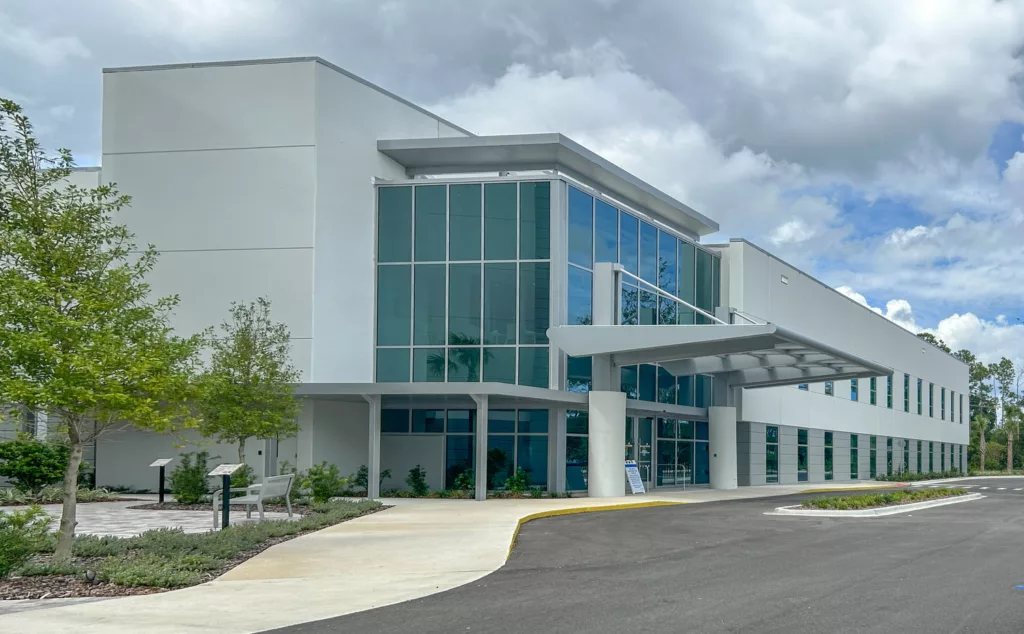
AdventHealth Palm Coast Hospital, Palm Coast, Florida Hanson has extensive experience commissioning healthcare facilities across the country, with projects spanning from Florida to the Midwest. Our work routinely includes mechanical, electrical, and plumbing systems; comprehensive training for facility staff; equipment tagging for integration into computerized maintenance management systems; and development of detailed systems manuals to fully educate staff about system operations.
- Energy and carbon audits
As energy costs continue to rise and the need to monitor your carbon footprint increases, our team has the experience needed to identify opportunities for making your existing buildings more efficient through audits.
We perform evaluations from benchmarking to investment-grade evaluations using the process outlined by ASHRAE Standard 211: Standard for Commercial Building Energy Audits. Our goal is to provide potential facility improvement measures that range from no or low cost to planned capital expenditure projects.
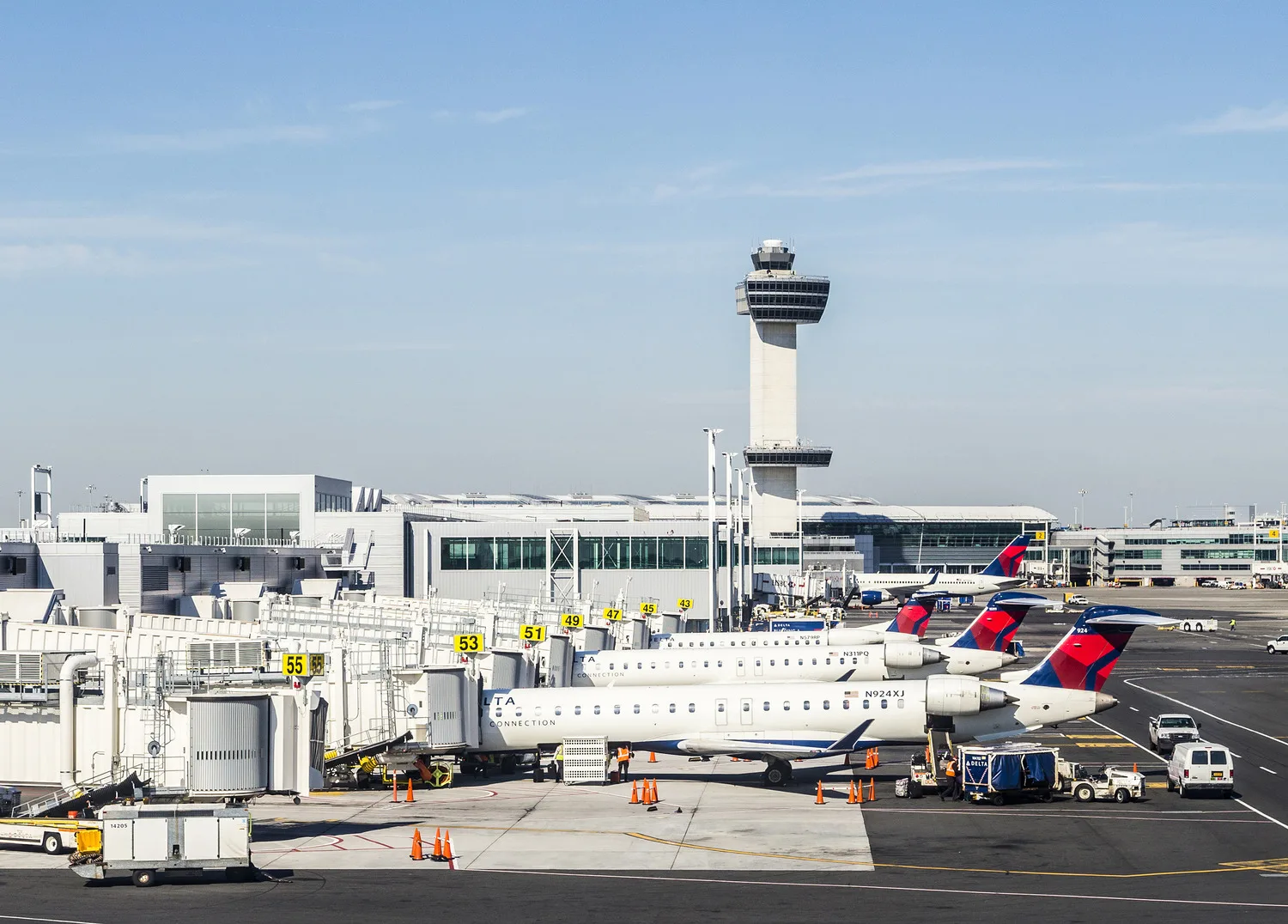
Hanson provided an energy roadmap for JFK International Airport Terminal 4 in Jamaica, Queens, New York. - Renewable energy and battery storage
Solar energy
We bring decades of engineering excellence to the forefront of solar energy. Our interdisciplinary team delivers custom solar solutions that meet the evolving needs of our utility clients. From concept to commissioning, we help you harness the sun to power the future.
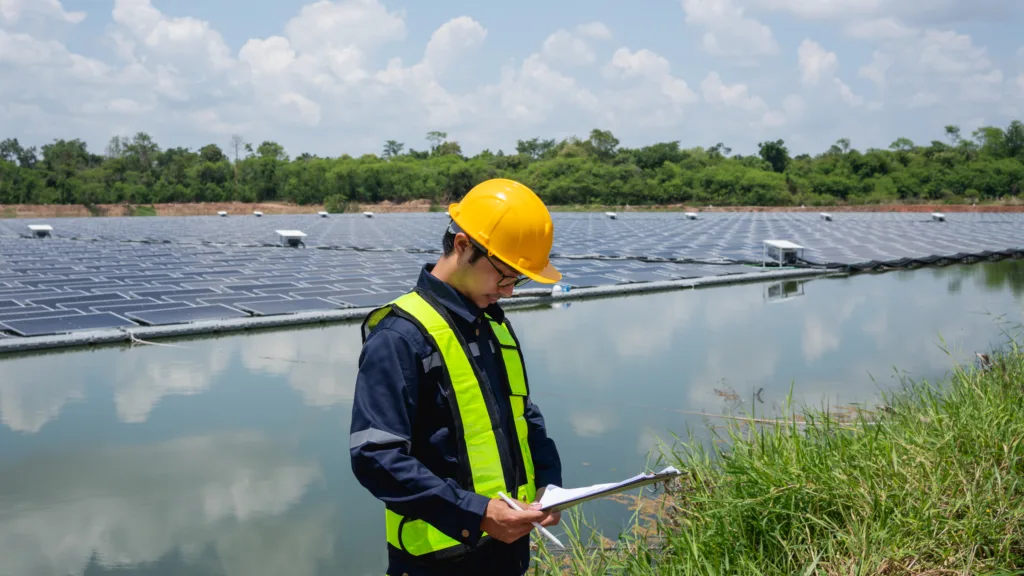
Hanson has completed projects in over 40 countries and in all 50 states in the U.S. With a combination of seasoned experience and a local presence from one of our 28 office locations, Hanson is ready to support you. Our contractor-friendly plans help reduce site development costs and streamline construction for large-scale solar installations. As a charter member of the Institute for Sustainable Infrastructure, Hanson prioritizes eco-conscious engineering. We facilitate stakeholder engagement, manage permitting processes and provide expert witness services for smooth approvals and community support. Learn more about our solar energy services.
Wind energy
We also know the compliance requirements of the federal, state and local laws, regulations and ordinances that are necessary for the required approvals and completion of energy projects. Contractor-friendly plans are also one of our goals to keep your site-development costs in check — which helps your bottom line. We support your wind energy projects with multiple services.
Battery energy storage systems
Hanson understands the complexities of battery energy storage system (BESS) projects and the federal, state and local laws, regulations and ordinances impacting them. We are experienced in working with the regulatory bodies, our clients and stakeholders to attain the approvals your energy project needs. Read more about our BESS services.